
Commentaries
12
Which were born (ο εγεννηθησαν). First aorist passive indicative of γενναω, to beget, "who were begotten." By spiritual generation…

Albert Barnes
AlbertBarnes
Which were born—This undoubtedly refers to the “new birth,” or to the great change in the sinner’s mind called regeneration or conversion.…

Charles Ellicott
CharlesEllicott
Which were born.—The result of receiving Him remains to be explained. How could they become sons of God? The wor…
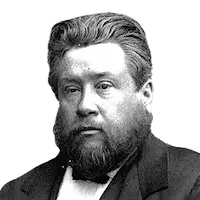
Charles Spurgeon
CharlesSpurgeon
But as many as received him, to them gave he power to become the sons of God, even to them that believe on his name: Which were born, not of bl…

Church Fathers
ChurchFathers
St. John Chrysostom: When He said that the world did not know Him, He referred to the times of the old covenant. But what foll…

Expositor's Bible Commentary
Expositor'sBible Commentary
Just as there is a sharp antithesis in vv.4–5 between darkness and light, so here is an equally direct contrast between rejection and reception. In…

John Calvin
JohnCalvin
Who were born not of blood. Some think that an indirect reference is made here to the preposterous confidence of the Jews, and I willingly…
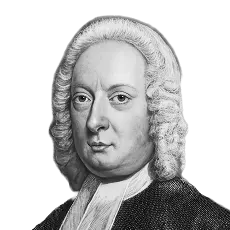
John Gill
JohnGill
Which were born not of blood
Or bloods, in the plural number. The birth, here spoken of, is regeneration, expressed …

Matthew Henry
MatthewHenry
John the Baptist came to bear witness concerning Jesus. Nothing more fully shows the darkness of human minds than the fact that when the Light had …

Thomas Aquinas
ThomasAquinas
-
Having explained the necessity for the incarnation of the Word, the Evangelist then shows the advantage humanity gained from that incarna…
A.T. Robertson
A.T.Robertson