
Commentaries
11
But he turned (ο δε στραφεις). Second aorist passive participle, quick ingressive action, away from Peter in revulsion, and toward…

Albert Barnes
AlbertBarnes
Get you behind me, Satan. The word Satan means, literally, an adversary, or one that opposes us in the accomplishment of our designs. It i…

Charles Ellicott
CharlesEllicott
He turned, and said to Peter—Mark adds the significant detail that Jesus turned about and looked on His disciples. We can…

Charles Spurgeon
CharlesSpurgeon
Notice the contrast between the 18th verse and the 23rd. In the 18th verse (Matthew 16:18), Christ had said, Thou art Peter, and up…

Church Fathers
ChurchFathers
Origen of Alexandria: While Christ was still speaking the beginning of the things He was showing them, Peter considered these…

Expositor's Bible Commentary
Expositor'sBible Commentary
Jesus then turned toward Peter to rebuke him. The rebuke is made up of three parts.
(1) “Get behind me, Satan!” (cf. 4:10) means not that …

John Calvin
JohnCalvin
Get thee behind me, Satan. It is idle to speculate, as some have done, about the word (ὀπίσω) behind; as if Peter were ordered to…
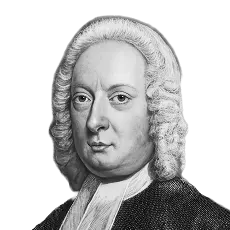
John Gill
JohnGill
But he turned
Either to Peter, changing his countenance, and looking sternly upon him, or rather to the disciples; f…

Matthew Henry
MatthewHenry
Christ reveals his mind to his people gradually. From that time, when the apostles had made the full confession of Christ, that he was the Son of G…

Thomas Aquinas
ThomasAquinas
Above, Peter’s confession of Christ’s divinity was related; here, Christ commands silence for a time, specifically, that they do not say that He is…
A.T. Robertson
A.T.Robertson