
A.T. Robertson Commentary Galatians 6
A.T. Robertson Commentary
Galatians 6
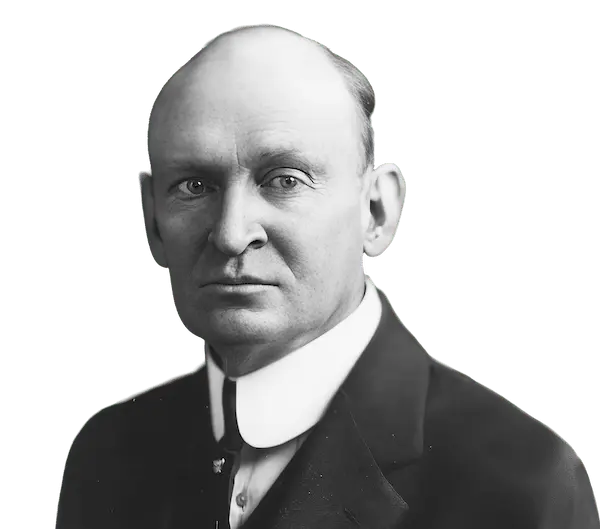
A.T. Robertson Commentary
Galatians 6
"Brethren, even if a man be overtaken in any trespass, ye who are spiritual, restore such a one in a spirit of gentleness; looking to thyself, lest thou also be tempted." — Galatians 6:1 (ASV)
If a man be overtaken (εαν κα προλημφθη ανθρωπος). Condition of third class, first aorist passive subjunctive of προλαμβανω, old verb to take beforehand, to surprise, to detect.
Trespass (παραπτωματ). Literally, a falling aside, a slip or lapse in the papyri rather than a wilful sin. In Polybius and Diodorus. Koine word.
Ye which are spiritual (ο πνευματικο). See on 1 Corinthians 3:1. The spiritually led (5:18), the spiritual experts in mending souls.
Restore (καταρτιζετε). Present active imperative of καταρτιζω, the very word used in Mt 4:21 of mending nets, old word to make αρτιος, fit, to equip thoroughly.
Looking to thyself (σκοπων σεαυτον). Keeping an eye on as in 2 Corinthians 4:18 like a runner on the goal.
Lest thou also be tempted (μη κα συ πειρασθηις). Negative purpose with first aorist passive subjunctive. Spiritual experts (preachers in particular) need this caution. Satan loves a shining mark.
"Bear ye one another`s burdens, and so fulfil the law of Christ." — Galatians 6:2 (ASV)
Bear ye one another's burdens (αλληλων τα βαρη βασταζετε). Keep on bearing (present active imperative of βασταζω, old word, used of Jesus bearing his Cross in Joh 19:17. Βαρος means weight as in Mt 20:12; 2 Corinthians 4:17. It is when one's load (φορτιον, verse 5) is about to press one down. Then give help in carrying it.
Fulfil (αναπληρωσατε). First aorist active imperative of αναπληροω, to fill up, old word, and see on Mt 23:32; 1 Thessalonians 2:16; 1 Corinthians 14:16. Some MSS. have future indicative (αναπληρωσετε).
"For if a man thinketh himself to be something when he is nothing, he deceiveth himself." — Galatians 6:3 (ASV)
Something when he is nothing (τ μηδεν ων). Thinks he is a big number being nothing at all (neuter singular pronouns). He is really zero.
He deceiveth himself (φρεναπατα εαυτον). Late compound word (φρην, mind, απαταω, lead astray), leads his own mind astray. Here for first time. Afterwards in Galen, ecclesiastical and Byzantine writers. He deceives no one else.
"For each man shall bear his own burden." — Galatians 6:5 (ASV)
Each shall bear his own burden (το ιδιον φορτιον βαστασε). Φορτιον is old word for ship's cargo (Acts 27:10). Christ calls his φορτιον light, though he terms those of the Pharisees heavy (Matthew 23:4), meant for other people. The terms are thus not always kept distinct, though Paul does make a distinction here from the βαρη in verse 2.
"But let him that is taught in the word communicate unto him that teacheth in all good things." — Galatians 6:6 (ASV)
That is taught (ο κατηχουμενος). For this late and rare verb κατηχεω, see on Lu 1:4; Acts 18:25; 1 Corinthians 14:19. It occurs in the papyri for legal instruction. Here the present passive participle retains the accusative of the thing. The active (τω κατηχουντ) joined with the passive is interesting as showing how early we find paid teachers in the churches. Those who receive instruction are called on to "contribute" (better than "communicate" for κοινωνειτω) for the time of the teacher (Burton). There was a teaching class thus early (1 Thessalonians 5:12; 1 Corinthians 12:28; Ephesians 4:11; 1 Thessalonians 5:17).
Jump to: