
A.T. Robertson Commentary John 18:37
A.T. Robertson Commentary
John 18:37
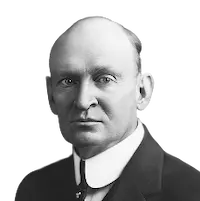
A.T. Robertson Commentary
John 18:37
SCRIPTURE
"Pilate therefore said unto him, Art thou a king then? Jesus answered, Thou sayest that I am a king. To this end have I been born, and to this end am I come into the world, that I should bear witness unto the truth. Every one that is of the truth heareth my voice." — John 18:37 (ASV)
Art thou a king then? (ουκουν βασιλευς ε συ; ). Compound of ουκ and ουν and is clearly ironical expecting an affirmative answer, only here in the N.T., and in LXX only in A text in 2 Kings 5:23.
Thou sayest that (συ λεγεις οτ). In Mt 27:11; Mr 15:2; Luke 23:3, συ λεγεις clearly means "yes," as συ ειπας (thou saidst) does in Mt 26:64 (= "I am," εγω ειμ, in Mr 41:62). Hence here οτ had best be taken to mean "because": "Yes, because I am a king."
Have I been born (εγω γεγεννημα). Perfect passive indicative of γενναω. The Incarnation was for this purpose. Note repetition of εις τουτο (for this purpose), explained by ινα μαρτυρησω τη αληθεια (that I may bear witness to the truth), ινα with first aorist active subjunctive of μαρτυρεω. Paul (1 Timothy 6:13) alludes to this good confession when Christ bore witness (μαρτυρησαντος) before Pilate. Jesus bore such witness always (John 3:11,32; 7:7; 8:14; Revelation 1:5).