
A.T. Robertson Commentary John 5:20
A.T. Robertson Commentary
John 5:20
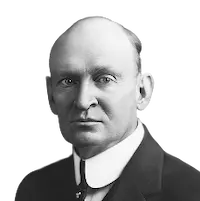
A.T. Robertson Commentary
John 5:20
SCRIPTURE
"For the Father loveth the Son, and showeth him all things that himself doeth: and greater works than these will he show him, that ye may marvel." — John 5:20 (ASV)
Loveth (φιλε). In 3:35 we have αγαπα from αγαπαω, evidently one verb expressing as noble a love as the other. Sometimes a distinction (21:17) is made, but not here, unless φιλεω presents the notion of intimate friendship (φιλος, friend), fellowship, the affectionate side, while αγαπαω (Latin diligo) is more the intelligent choice. But John uses both verbs for the mystery of love of the Father for the Son.
Greater works than these (μειζονα τουτων εργα). Τουτων is ablative case after the comparative μειζονα (from μεγας, great). John often uses εργα for the miracles of Christ (5:36; 7:3,21; 10:25,32,38, etc.). It is the Father who does these works (14:10). There is more to follow. Even the disciples will surpass what Christ is doing in the extent of the work (14:12). Δειξε is future active indicative of δεικνυμ, to show. See also 10:32.
That ye may marvel (ινα υμεις θαυμαζητε). Purpose clause with ινα and present active subjunctive of θαυμαζω. Wonder belongs to childhood and to men of knowledge. Modern science has increased the occasion for wonder. Clement of Alexandria has a saying of Jesus: "He that wonders shall reign, and he that reigns shall rest."