
A.T. Robertson Commentary Titus 1
A.T. Robertson Commentary
Titus 1
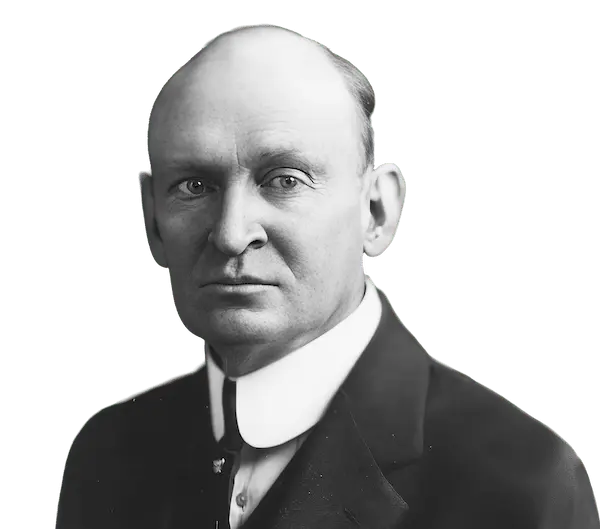
A.T. Robertson Commentary
Titus 1
"Paul, a servant of God, and an apostle of Jesus Christ, according to the faith of God`s elect, and the knowledge of the truth which is according to godliness," — Titus 1:1 (ASV)
According to the faith of God's elect (κατα πιστιν εκλεκτων θεου). Here κατα expresses the aim of Paul's apostleship, not the standard by which he was chosen as in Php 3:14; a classic idiom, repeated here with επιγνωσιν, ευσεβειαν, επιταγην, "with a view to" in each case. For "God's elect" see Ro 8:33; Colossians 3:12.
The knowledge (επιγνωσιν). "Full knowledge," one of Paul's favourite words. For the phrase see 1 Timothy 2:4.
Which is according to godliness (της κατ' ευσεβειαν). "The (truth) with a view to godliness." The combination of faith and full knowledge of the truth is to bring godliness on the basis of the hope of life eternal.
"in hope of eternal life, which God, who cannot lie, promised before times eternal;" — Titus 1:2 (ASV)
God who cannot lie (ο αψευδης θεος). "The non-lying God." Old adjective (α privative and ψευδης), here only in N.T. See 2 Timothy 2:13. In Polycarp's last prayer.
Promised (επηγγειλατο). First aorist middle indicative of επαγγελλω. Antithesis in εφανερωσεν δε (manifested) in verse 3 (first aorist active indicative of φανεροω). Same contrast in Ro 16:25; Colossians 1:26.
Before times eternal (προ χρονων αιωνων). Not to God's purpose before time began (Ephesians 1:4; 2 Timothy 1:9), but to definite promises (Romans 9:4) made in time (Lock). "Long ages ago." See Ro 16:25.
"but in his own seasons manifested his word in the message, wherewith I was intrusted according to the commandment of God our Saviour;" — Titus 1:3 (ASV)
In his own seasons (καιροις ιδιοις). Locative case. See 1 Timothy 2:6; 6:15.
In the message (εν κηρυγματ). See 1 Corinthians 1:21; 2:4 for this word, the human proclamation (preaching) of God's word.
Wherewith I was intrusted (ο επιστευθην). Accusative relative ο retained with the first aorist passive indicative of πιστευω as in 1 Timothy 1:11. See 1 Timothy 2:7.
Of God our Saviour (του σωτηρος ημων θεου). In verse 4 he applies the words "του σωτηρος ημων" to Christ. In 2:13 he applies both θεου and σωτηρος to Christ.
"to Titus, my true child after a common faith: Grace and peace from God the Father and Christ Jesus our Saviour." — Titus 1:4 (ASV)
My true child (γνησιω τεκνω). See 1 Timothy 1:2 for this adjective with Timothy. Titus is not mentioned in Acts, possibly because he is Luke's brother. But one can get a clear picture of him by turning to 2 Corinthians 2:13; 7:6-15; 8:6-24; 12:16-18; Galatians 2:1–3; Titus 1:4f.; 3:12; 2 Timothy 4:10. He had succeeded in Corinth where Timothy had failed. Paul had left him in Crete as superintendent of the work there. Now he writes him from Nicopolis (Titus 3:12).
After a common faith (κατα κοινην πιστιν). Here κατα does mean standard, not aim, but it is a faith (πιστιν) common to a Gentile (a Greek) like Titus as well as to a Jew like Paul and so common to all races and classes (Jude 1:3). Κοινος does not here have the notion of unclean as in Ac 10:14; 11:8.
"For this cause left I thee in Crete, that thou shouldest set in order the things that were wanting, and appoint elders in every city, as I gave thee charge;" — Titus 1:5 (ASV)
For this cause (τουτου χαριν). In N.T. only here and Eph 3:1,14. Paul may be supplementing oral instruction as in Timothy's case and may even be replying to a letter from Titus (Zahn).
Left I thee in Crete (απελειπον σε εν Κρητη). This is the imperfect active of απολειπω, though MSS. give the aorist active also (απελιπον) and some read κατελειπον or κατελιπον. Both are common verbs, though Paul uses καταλειπω only in 1 Thessalonians 3:1 except two quotations (Romans 11:4; Ephesians 5:31) and απολειπω only here and 2 Timothy 4:13,20. Perhaps απολειπω suggests a more temporary stay than καταλειπω. Paul had apparently stopped in Crete on his return from Spain about A.D. 65.
That thou shouldest set in order (ινα επιδιορθωση). Late and rare double compound (inscriptions, here only in N.T.), first aorist middle subjunctive (final clause with ινα) of επιδιορθοω, to set straight (ορθοω) thoroughly (δια) in addition (επ), a clean job of it.
The things that were wanting (τα λειποντα). "The things that remain." See 3:13; Luke 18:22. Either things left undone or things that survive. In both senses the new pastor faces problems after the tornado has passed. Parry takes it "of present defects" in Cretan character.
And appoint (κα καταστησηις). Final clause still and first aorist active subjunctive of καθιστημ, the word used in Ac 6:13 about the deacons. The word does not preclude the choice by the churches (in every city, κατα πολιν, distributive use of κατα). This is a chief point in the επιδορθωσις (White).
Elders (πρεσβυτερους). See 1 Timothy 3:2; 4:17.
As I gave thee charge (ως εγω σο διεταξαμην). First aorist (constative) middle imperative of διατασσω, clear reference to previous personal details given to Titus on previous occasions.
Jump to: