
Charles Spurgeon Commentary 1 Corinthians 1:22-29
Charles Spurgeon Commentary
1 Corinthians 1:22-29
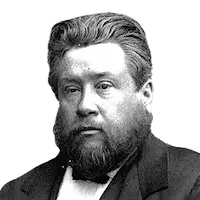
Charles Spurgeon Commentary
1 Corinthians 1:22-29
SCRIPTURE
"Seeing that Jews ask for signs, and Greeks seek after wisdom: but we preach Christ crucified, unto Jews a stumblingblock, and unto Gentiles foolishness; but unto them that are called, both Jews and Greeks, Christ the power of God, and the wisdom of God. Because the foolishness of God is wiser than men; and the weakness of God is stronger than men. For behold your calling, brethren, that not many wise after the flesh, not many mighty, not many noble, [are called]: but God chose the foolish things of the world, that he might put to shame them that are wise; and God chose the weak things of the world, that he might put to shame the things that are strong; and the base things of the world, and the things that are despised, did God choose, [yea] and the things that are not, that he might bring to nought the things that are: that no flesh should glory before God." — 1 Corinthians 1:22-29 (ASV)
For the Jews require a sign, and the Greeks seek after wisdom: but we preach Christ crucified, unto the Jews a stumblingblock, and unto the Greeks foolishness; but unto them which are called, both Jews and Greeks, Christ the power of God, and the wisdom of God. Because the foolishness of God is wiser than men; and the weakness of God is stronger than men; for ye see your calling, brethren, how that not many wise men after the flesh, not many mighty, not many noble, are called: but God hath chosen the foolish things of the world to confound the wise; and God hath chosen the weak things of the world to confound the things which are mighty; and base things of the world, and things which are despised, hath God chosen, yea, and things which are not, to bring to nought things that are: that no flesh should glory in his presence.
And, at this day, it is a great snare to the Church when she glories in her education, when she puts any confidence in the learning, or the wit, or the eloquence of her ministers, when she relies to any degree whatever upon an arm of flesh. The sword of the Spirit, if it is put into a velvet and embroidered scabbard, is all the worse for that; pull it out. When hampered with human wisdom and human learning, the Word of God cannot cut half as well as when its keen edge alone is used. It is the Lord, by the power of his Spirit, who must make the Word effectual. Oh, for more faith and truer faith in him!