
Charles Spurgeon Commentary 1 Corinthians 13
Charles Spurgeon Commentary
1 Corinthians 13
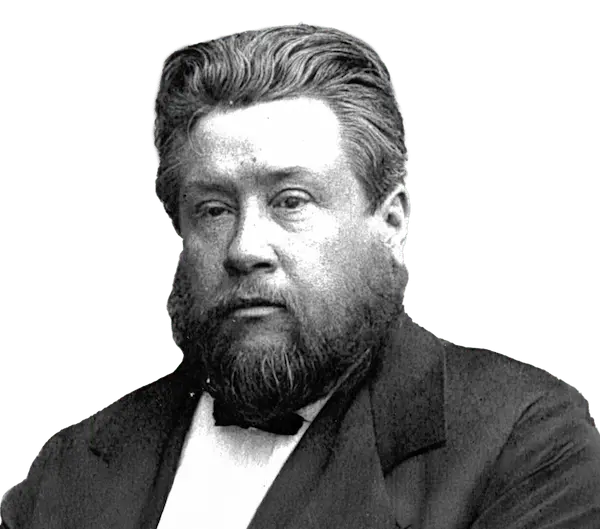
Charles Spurgeon Commentary
1 Corinthians 13
"If I speak with the tongues of men and of angels, but have not love, I am become sounding brass, or a clanging cymbal." — 1 Corinthians 13:1 (ASV)
Though I speak with the tongues of men and of angels, and have not charity, I am become as sounding brass, or a tinkling cymbal.
If there is no love to God, and no love to man, the vital element is lacking. Whatever sound we make if the Word of God is not in us, it is a sound that has no meaning, conveys no heavenly meaning.
"I am become as sounding brass, or a tinkling cymbal." What if any of us who bear witness for Christ with our tongues should be found to be no better than this?
"And if I have [the gift of] prophecy, and know all mysteries and all knowledge; and if I have all faith, so as to remove mountains, but have not love, I am nothing." — 1 Corinthians 13:2 (ASV)
Judas had, no doubt, faith in God's miracles, yet he was not saved. Selfishness was his ruling motive; he had no love to God or man.
How this clips the wings of those lofty ones who hover on high, boasting of their knowledge and of their gifts! There are many who have few gifts—obscure and unknown—who love God much, and these are the accepted ones. Before God, the balances of the sanctuary are turned more by the shekel of love than by any weight of talent or position.
"And if I bestow all my goods to feed [the poor], and if I give my body to be burned, but have not love, it profiteth me nothing." — 1 Corinthians 13:3 (ASV)
Love is a matter of the heart, and if the heart is not right with God, external acts, though they are very similar to the highest acts that flow from love, are of no service. God requires the heart to be right, and if that is not right, whatever comes out of us is not acceptable in his sight.
"Love suffereth long, [and] is kind; love envieth not; love vaunteth not itself, is not puffed up, doth not behave itself unseemly, seeketh not its own, is not provoked, taketh not account of evil;" — 1 Corinthians 13:4-5 (ASV)
Always try to put the best construction on other people's actions and work. Let gentleness triumph.
"rejoiceth not in unrighteousness, but rejoiceth with the truth; beareth all things, believeth all things, hopeth all things, endureth all things. Love never faileth: but whether [there be] prophecies, they shall be done away; whether [there be] tongues, they shall cease; whether [there be] knowledge, it shall be done away. For we know in part, and we prophesy in part; but when that which is perfect is come, that which is in part shall be done away. When I was a child, I spake as a child, I felt as a child, I thought as a child: now that I am become a man, I have put away childish things." — 1 Corinthians 13:6-11 (ASV)
Much of what we call knowledge, much of what we call eloquence, will all be put away. As our spiritual growth increases, we shall not need these childish things.
Jump to: