
Charles Spurgeon Commentary 1 John 1
Charles Spurgeon Commentary
1 John 1
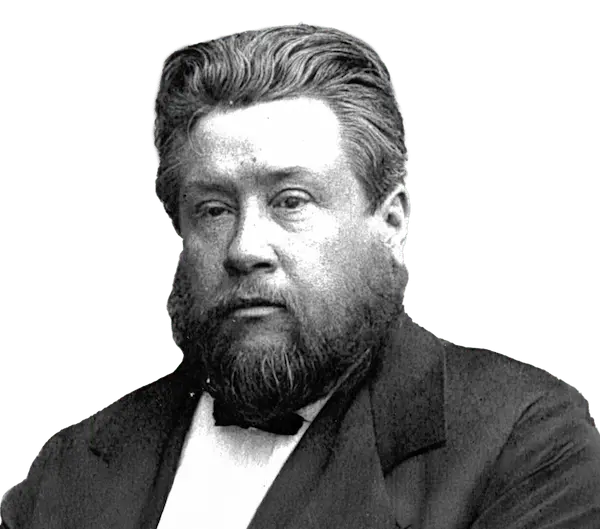
Charles Spurgeon Commentary
1 John 1
Commentary Groups
This author has written multiple commentaries over their lifetime on this chapter. We have grouped their commentaries for easier reading."That which was from the beginning, that which we have heard, that which we have seen with our eyes, that which we beheld, and our hands handled, concerning the Word of life" — 1 John 1:1 (ASV)
That which was from the beginning which we have heard, which we have seen with our eyes, which we have looked upon, and our hands have handled, of the Word of life; (1 John 1:1).
You know who that is, who it is that John had heard, and seen, and looked upon, and handled, even Jesus Christ, our Lord and Saviour.
"That which was from the beginning, that which we have heard, that which we have seen with our eyes, that which we beheld, and our hands handled, concerning the Word of life" — 1 John 1:1 (ASV)
That which was from the beginning, which we have heard, which we have seen with our eyes, which we have looked upon, and our hands have handled, of the Word of life;
You remember how John begins his Gospel: In the beginning was the Word (John 1:1), and how, a little later, he says, In him was life (John 1:4).
The Holy Spirit seems to have recalled those expressions to John's mind, for the Spirit moves him to use them again. Note how clearly, how explicitly, John writes concerning the Logos, the eternal Word. He says, That which we have heard, that which we have seen with our eyes, which we have looked upon, and our hands have handled of the Word of life,... that declare we unto you (1 John 1:1, 3).
The facts of Christ's history on earth are recorded by eye-witnesses who could not be deceived concerning them. They exercised their various senses with regard to Christ—hearing, seeing, and touching Him again and again. They were veracious witnesses, and they died in testimony of their faith in what they asserted. And when anything has been heard, seen, inspected, and even touched and handled, by a company of reliable witnesses, the testimony of such witnesses concerning it must be accepted as true.
"(and the life was manifested, and we have seen, and bear witness, and declare unto you the life, the eternal [life], which was with the Father, and was manifested unto us);" — 1 John 1:2 (ASV)
(For the life was manifested, and we have seen it, and bear witness, and shew unto you that eternal life, which was with the Father, and was manifested unto us; )
John and his fellow-apostles were eyewitnesses of the coming to earth of God in human flesh—the indwelling of the Word of life in a body like our own.
"That which was from the beginning, that which we have heard, that which we have seen with our eyes, that which we beheld, and our hands handled, concerning the Word of life" — 1 John 1:1 (ASV)
That which was from the beginning, which we have heard, which we have seen with our eyes, which we have looked upon, and our hands have handled, of the Word of life;
The fact that Christ was really in the flesh, that He was no phantom, no shadow mocking the eyes that looked upon Him, is exceedingly important. Therefore, John (whose style, by the way, in this Epistle is precisely like the style he uses in his Gospel) begins by declaring that Jesus Christ, the Son of God, who in His eternity was from the beginning, was really a substantial man.
For he says, We have heard him—hearing is good evidence; Which we have seen with our eyes—eyesight is good, clear evidence certainly; Which we have looked upon—this is better still, for this implies a deliberate, careful, circumspect gaze; but better still, Which our hands have handled—for John had leaned his head on Jesus Christ's bosom, and his hands had often met the real flesh and blood of the living Saviour.
We need have no doubt about the reality of Christ's incarnation when we have these open eyes and hands to give us evidence.
"That which was from the beginning, that which we have heard, that which we have seen with our eyes, that which we beheld, and our hands handled, concerning the Word of life" — 1 John 1:1 (ASV)
That which was from the beginning, which we have heard, which we have seen with our eyes, which we have looked upon, and our hands have handled, of the Word of life;
The fact that Christ was really in the flesh, that he was no phantom, no shadow mocking the eyes that looked upon him, is exceedingly important. Therefore, John (whose style, by the way, in this epistle is precisely like the style which he uses in his Gospel) John begins by declaring that Jesus Christ, the Son of God, who in his eternity was from the beginning, was really a substantial man.
For he says: We have heard him—hearing is good evidence; Which we have seen him with our own eyes; eyesight is good, clear evidence, certainly; Which we have looked upon—this is better still, for this signifies a deliberate, careful, circumspect gaze; but better still—which our hands have handled, for John had leaned his head on Jesus Christ's bosom, and his hands had often met the real flesh and blood of the living Saviour.
We need have no doubt about the reality of Christ's incarnation when we have these open eyes and hands to give us evidence.
Jump to: