
Charles Spurgeon Commentary 1 John 4:18-20
Charles Spurgeon Commentary
1 John 4:18-20
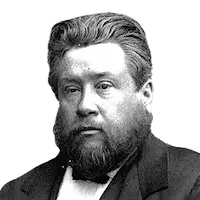
Charles Spurgeon Commentary
1 John 4:18-20
SCRIPTURE
"There is no fear in love: but perfect love casteth out fear, because fear hath punishment; and he that feareth is not made perfect in love. We love, because he first loved us. If a man say, I love God, and hateth his brother, he is a liar: for he that loveth not his brother whom he hath seen, cannot love God whom he hath not seen." — 1 John 4:18-20 (ASV)
Because fear hath torment. He that feareth is not made perfect in love. We love him because he first loved us. If a man says, I love God, and hateth his brother, he is a liar:
That is very plain language. John does not mince matters; he is all love, but he is also all truth. Some people think that, if you love, you will never use strong language; but that is not the case.
Sometimes, because a Surgeon loves the patient, he cuts the more deeply.
Because fear has torment. He that fears is not made perfect in love. We love him, because he first loved us. If a man say, I love God, and hates his brother, he is a liar:
John! John! John! This is a very strong expression. Did we not always understand that John was full of affection? Yes, but he was not one of those oily, sugary sort of people who cannot speak the truth. There is no real love in that kind of man; he has only the mere pretense of love. John speaks sharply because he loves ardently.
True love hates that which is unlovely. It is inevitable that a man, who is full of love, should feel intense indignation against that which is contrary to love. Hence the apostle says, If a man say, I love God, and hates his brother, he is a liar.
He that feareth is not made perfect in love. We love him, because he first loved us. If a man say, I love God, and hateth his brother, he is a liar: for he that loveth not his brother whom he hath seen, how can he love God whom he hath not seen? (1 John 4:18–20)
God looked upon us with an eye that saw all our sin and misery, yet he loved us; and he wants us to have a love which, while it sees all the imperfection and all the unworthiness in our fellow men, yet loves them despite all. If we do not love those whom we see, the apostle says that we are simply lying when we talk of loving God whom we have not seen.