
Charles Spurgeon Commentary 1 Kings 19
Charles Spurgeon Commentary
1 Kings 19
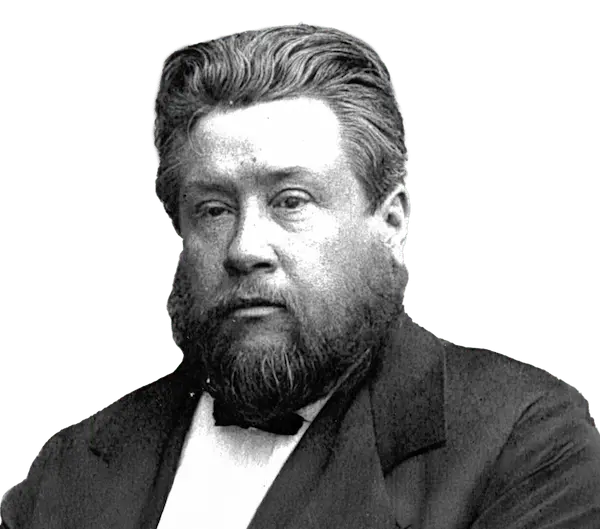
Charles Spurgeon Commentary
1 Kings 19
Commentary Groups
This author has written multiple commentaries over their lifetime on this chapter. We have grouped their commentaries for easier reading."And Ahab told Jezebel all that Elijah had done, and withal how he had slain all the prophets with the sword. Then Jezebel send a messenger unto Elijah, saying, So let the gods do to me, and more also, if I make not thy life as the life of one of them by to-morrow about this time." — 1 Kings 19:1-2 (ASV)
And Ahab told Jezebel all that Elijah had done, and also how he had slain all the prophets with the sword. Then Jezebel sent a messenger to Elijah, saying, So let the gods do to me, and more also, if I do not make your life as the life of one of them by tomorrow about this time.
She was too fast in uttering her threat, and it often happens that malice outwits and overleaps itself. If Jezebel meant to kill Elijah, she should not have given him notice that she intended to do it.
"And when he saw that, he arose, and went for his life, and came to Beer-sheba, which belongeth to Judah, and left his servant there." — 1 Kings 19:3 (ASV)
And when he saw that, he arose, and went for his life, and came to Beer-Sheba, which belongeth to Judah, and left his servant there.
He did not feel safe even in the adjoining kingdom; for he fled through Israel, and then went almost the whole length of Judah, right into the wilderness. Note that he left his servant there, at Beer-Sheba. Even in his anxiety about himself, he had tender consideration for others; and, besides, he wanted complete solitude.
"But he himself went a day`s journey into the wilderness, and came and sat down under a juniper-tree: and he requested for himself that he might die, and said, It is enough; now, O Jehovah, take away my life; for I am not better than my fathers." — 1 Kings 19:4 (ASV)
But he himself went a day's journey into the wilderness, and came and sat down under a juniper tree: and he requested for himself that he might die; and said, It is enough; now, O LORD, take away my life; for I am not better than my fathers.
Having presented this passionate and unreasonable prayer, he laid himself down to sleep — the very best thing that he could do under the circumstances.
"And Ahab told Jezebel all that Elijah had done, and withal how he had slain all the prophets with the sword." — 1 Kings 19:1 (ASV)
And Ahab told Jezebel all that Elijah had done, and withal how he had slain all the prophets with the sword.
Jezebel was the chief patroness of the idolatrous prophets, and therefore you may imagine how her wrath was stirred when her husband told her what Elijah had done to the men who ate at her table.
"Then Jezebel send a messenger unto Elijah, saying, So let the gods do to me, and more also, if I make not thy life as the life of one of them by to-morrow about this time. And when he saw that, he arose, and went for his life, and came to Beer-sheba, which belongeth to Judah, and left his servant there." — 1 Kings 19:2-3 (ASV)
Then Jezebel sent a messenger unto Elijah, saying, So let the gods do to me, and more also, if I make not thy life as the life of one of them by to morrow about this time. And when he saw that, he arose, and went for his life, and came to Beersheba, which belongeth to Judah, and left his servant there.
This is the man who could fearlessly face the four hundred and fifty prophets of Baal and the four hundred prophets of the groves, and slay them at the brook Kishon, the dauntless prophet of fire, who dared to call King Ahab the troubler of Israel; yet now he trembles before a woman's threatening, and arises, and flees for his life. Truly, the best of men are but men at their best, and the strongest of men are as weak as water once the power of God is withdrawn from them.
The high-strung tension of the top of Carmel was now to be followed by a not unnatural reaction, and the heroic prophet was to sink into the lowest state of despondency. He left his servant at Beersheba.
Jump to: