
Charles Spurgeon Commentary 1 Peter 4
Charles Spurgeon Commentary
1 Peter 4
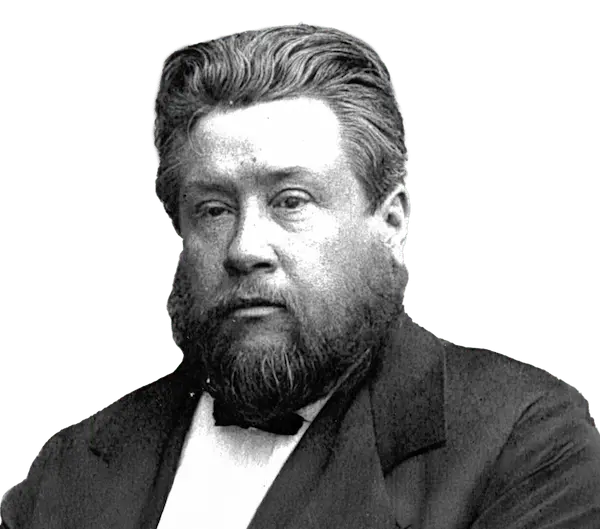
Charles Spurgeon Commentary
1 Peter 4
Commentary Groups
This author has written multiple commentaries over their lifetime on this chapter. We have grouped their commentaries for easier reading."Forasmuch then as Christ suffered in the flesh, arm ye yourselves also with the same mind; for he that hath suffered in the flesh hath ceased from sin;" — 1 Peter 4:1 (ASV)
Forasmuch then as Christ hath suffered for us in the flesh, arm yourselves likewise with the same mind:
Accepting this great truth, that it is well that the flesh should die that the spirit may triumph, even as it was with Christ.
For he that hath suffered in the flesh hath ceased from sin;
If he has indeed died with Christ, and the power of Christ's sufferings has made him dead to sin, he has ceased from it.
"that ye no longer should live the rest of your time in flesh to the lusts of men, but to the will of God. For the time past may suffice to have wrought the desire of the Gentiles, and to have walked in lasciviousness, lusts, winebibbings, revellings, carousings, and abominable idolatries: wherein they think strange that ye run not with [them] into the same excess of riot, speaking evil of [of]:" — 1 Peter 4:2-4 (ASV)
That he no longer should live the rest of his time in the flesh to the lusts of men, but to the will of God; for the time past of our life may suffice us to have wrought the will of the Gentiles, when we walked in lasciviousness, lusts, excess of wine, revellings, banquetings, and abominable idolatries: wherein they think it strange that you run not with them to the same excess of riot, speaking evil of you:
For the very thing in which they ought to speak well of you, men will speak evil of you. If you will not drink as they do, if you will not follow after sinful pleasures as they do, if you will not sing their songs, or use their language, then immediately they will hate you, and call you a hypocrite. It is a pity that, if we are not willing to go into sin as they do, they should for that reason speak ill of us; yet this is what we must expect.
"Forasmuch then as Christ suffered in the flesh, arm ye yourselves also with the same mind; for he that hath suffered in the flesh hath ceased from sin;" — 1 Peter 4:1 (ASV)
Forasmuch then as Christ hath suffered for us in the flesh, arm yourselves likewise with the same mind: for he that hath suffered in the flesh hath ceased from sin:
Brothers, we have a Saviour who suffered for us.
As the Head was, so must the members expect to be. Let us, then, be resolutely determined that, however we may suffer, we will never turn aside from our Lord.
For since we suffered in Him, yes, and died in Him, we ought to reckon that we are from now on dead to sin, and that we have ceased from it, and can no longer be drawn into it.
He that hath suffered in the flesh hath ceased from sin:
"that ye no longer should live the rest of your time in flesh to the lusts of men, but to the will of God." — 1 Peter 4:2 (ASV)
That he no longer should live the rest of his time in the flesh to the lusts of men, but to the will of God.
The doctrine of substitution is the strongest possible argument for holiness. You lived in sin once, but Christ died for your sin, so you must reckon that, in him, you died to sin, seeing that he died in your place. And the argument is that, from now on, your life is to be a life in him, a life of holiness, to the praise and glory of God.
"For the time past may suffice to have wrought the desire of the Gentiles, and to have walked in lasciviousness, lusts, winebibbings, revellings, carousings, and abominable idolatries: wherein they think strange that ye run not with [them] into the same excess of riot, speaking evil of [of]:" — 1 Peter 4:3-4 (ASV)
When we walked in lasciviousness, lusts, excesses of wine, revellings banquetings, and abominable idolatries. Wherein they think it strange that ye run not with them to the same excess of riot, speaking evil of you:
What a strange world this world is! It speaks evil of men because they will not do evil. Yet it has always been so; the men, of whom the world was not worthy, have been the very people of whom worldliness has said, Away with such fellows from the earth! It is not fit that they should live. The world's verdict concerning Christians is of little value.
Jump to: