
Charles Spurgeon Commentary 1 Timothy 1
Charles Spurgeon Commentary
1 Timothy 1
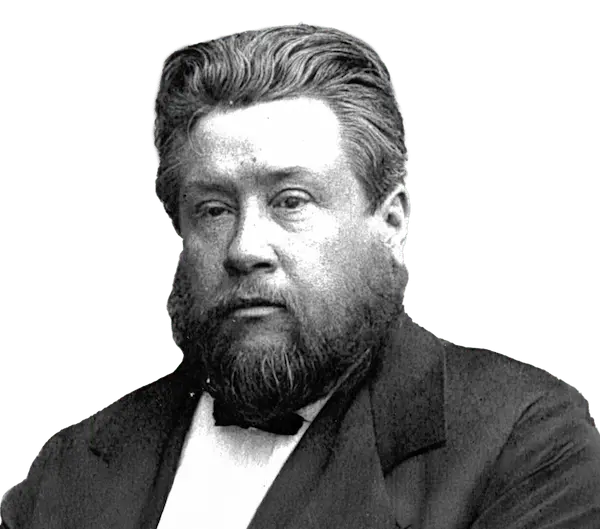
Charles Spurgeon Commentary
1 Timothy 1
"Paul, an apostle of Christ Jesus according to the commandment of God our Saviour, and Christ Jesus our hope;" — 1 Timothy 1:1 (ASV)
Paul, an apostle of Jesus Christ by the commandment of God our Saviour, and Lord Jesus Christ, which is our hope;
Christ is our hope; we have not a shadow of a hope apart from him. I remember, when on the Continent, seeing on a cross the words "Spes unica," the unique, the only hope of man; and that is true of the cross of Christ, and of Christ who suffered on it, he is our hope.
"unto Timothy, my true child in faith: Grace, mercy, peace, from God the Father and Christ Jesus our Lord." — 1 Timothy 1:2 (ASV)
Notice the apostle's triple salutation, "Grace, mercy, and peace."
Whenever Paul writes to a church, he wishes "grace and peace"; but to a minister he wishes "grace, mercy, and peace." Ah! we need mercy more than the average of Christians. We have greater responsibilities and, consequently, might more readily fall into greater sin. So to a minister, Paul's salutation is, "grace, mercy, and peace."
"As I exhorted thee to tarry at Ephesus, when I was going into Macedonia, that thou mightest charge certain men not to teach a different doctrine, neither to give heed to fables and endless genealogies, which minister questionings, rather than a dispensation of God which is in faith; [so do I now]." — 1 Timothy 1:3-4 (ASV)
You see, the apostle, in his day, had to contend against those who ran away from the simplicity of the gospel into all manner of fables and inventions. Such, in our day, are the doctrine of evolution, the doctrine of the universal fatherhood of God, the doctrine of post-mortem salvation, the doctrine of the final restitution of all men, and all sorts of fables and falsehoods that people have invented.
"But the end of the charge is love out of a pure heart and a good conscience and faith unfeigned: from which things some having swerved have turned aside unto vain talking; desiring to be teachers of the law, though they understand neither what they say, nor whereof they confidently affirm." — 1 Timothy 1:5-7 (ASV)
There were some who put the law into its wrong place. They made it a way of salvation, which it never was meant to be, and never can be. It is a way of conviction. It is an instrument of humbling. It shows us the evil of sin; but it never takes sin away.
"But we know that the law is good, if a man use it lawfully," — 1 Timothy 1:8 (ASV)
In its own place it has its own uses, and these are most important.
Jump to: