
Charles Spurgeon Commentary 2 Corinthians 4
Charles Spurgeon Commentary
2 Corinthians 4
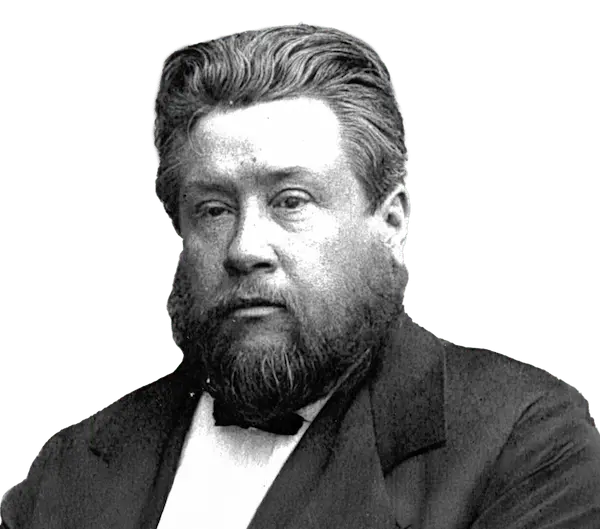
Charles Spurgeon Commentary
2 Corinthians 4
Commentary Groups
This author has written multiple commentaries over their lifetime on this chapter. We have grouped their commentaries for easier reading."Therefore seeing we have this ministry, even as we obtained mercy, we faint not:" — 2 Corinthians 4:1 (ASV)
Therefore seeing we have this ministry, as we have received mercy, we faint not;
It is a very high privilege to be called to the work of the Christian ministry, and when the minister remembers what great mercy he has himself received, what sins have been forgiven, what favors have been bestowed, he has the very best incentives in all the world to pursue his ministry with diligence and with zeal. We faint not, says the apostle. We do not hang our harps upon the willows.
We do not pray to be allowed to retire from the battle, and give up the strife; but, feeling how great has been the mercy of God to our own souls, we are stirred up to press forward with holy zeal to win the victory. We long that others may taste of the same good things on which we have feasted.
"Therefore seeing we have this ministry, even as we obtained mercy, we faint not:" — 2 Corinthians 4:1 (ASV)
Therefore seeing we have this ministry, as we have received mercy, we faint not;
We are sometimes ready to faint, but we cast our fainting spirits into the arms of God, and our strength is again reserved at times.
The very importance of an errand first weighs down the spirit of the messenger, yet afterwards it seems to impel him to more than ordinary exertion.
So it is here. Having been divinely entrusted with this ministry, and being ready to faint under the tremendous responsibility that it involves, yet we are roused to action by the very pressure which seems to deprive us of the power to act, and therefore we faint not.
"Therefore seeing we have this ministry, even as we obtained mercy, we faint not: but we have renounced the hidden things of shame, not walking in craftiness, nor handling the word of God deceitfully; but by the manifestation of the truth commending ourselves to every man`s conscience in the sight of God." — 2 Corinthians 4:1-2 (ASV)
Therefore seeing we have this ministry, as we have received mercy, we faint not; but have renounced the hidden things of dishonesty, not walking in craftiness, nor handling the word of God deceitfully; but by manifestation of the truth commending ourselves to every man's conscience in the sight of God.
Paul's description of his own ministry and that of Timothy also should be true of every servant of Jesus Christ. There must be no dishonesty, or craftiness, or deceit in the minister of the Word, and it is by the manifestation of the truth that he must commend himself to every man's conscience in the sight of God. He may not win every man's approval, yet even those who differ from him must perceive his loyalty to his Lord.
"Therefore seeing we have this ministry, even as we obtained mercy, we faint not:" — 2 Corinthians 4:1 (ASV)
Therefore seeing we have this ministry, as we have received mercy, we faint not; (2 Corinthians 4:1)
Stern was the labor of the apostles, but they felt that their work was so all-important, so divine, that they must not grow weary of it, though they were, doubtless, often weary in it.
"but we have renounced the hidden things of shame, not walking in craftiness, nor handling the word of God deceitfully; but by the manifestation of the truth commending ourselves to every man`s conscience in the sight of God." — 2 Corinthians 4:2 (ASV)
But have renounced the hidden things of dishonesty, not walking in craftiness, nor handling the word of God deceitfully; but by manifestation of the truth commending ourselves to every man's conscience in the sight of God.
It is no part of the business of Christ's ministers to modify the truth which he has entrusted to them, or to put new meanings into it which God never meant, draining away the very life-blood of the gospel, and leaving it dead and useless.
But it is both our duty and our privilege to state it just as we find it, and to proclaim it in as plain language as possible so that everybody may understand what the teaching of God really is.
Jump to: