
Charles Spurgeon Commentary 2 Timothy 1:4
Charles Spurgeon Commentary
2 Timothy 1:4
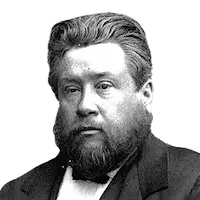
Charles Spurgeon Commentary
2 Timothy 1:4
SCRIPTURE
"longing to see thee, remembering thy tears, that I may be filled with joy;" — 2 Timothy 1:4 (ASV)
Greatly desiring to see thee, being mindful of thy tears, that I may be filled with joy; (2 Timothy 1:4)
What were those tears? Tears of holy men and women are as precious as diamonds. Paul had noticed the tear twinkling in brother Timothy's eye – the tear of repentance, the tear of gratitude, the tear of fervent desire. He had noticed that, and, being mindful of all this, he wished to see that dear face again. Christianity does not make us unsociable. It gives us new ties of love, fresh brothers, fresh sons.
Greatly desiring to see thee, being mindful of thy tears, that I may be filled with joy;
Paul had seen Timothy's tears when he parted from him. He remembered, perhaps, his tears when under conviction of sin, his tears of joy when he found the Saviour, and the tears he shed in his early preaching, when the gracious youth touched the hearts of others because he so evidently spoke out of his own heart.
Greatly desiring to see thee, being mindful of thy tears, that I may be filled with joy;
I suppose that Timothy was very tender-hearted, and that he had been grieved because of Paul's many afflictions; and, on his part, the apostle greatly missed his dearly-beloved son in the faith. In the latter part of this Epistle, Paul writes, Do thy diligence to come shortly unto me: for Demas hath forsaken me, having loved this present world; and again, Do thy diligence to come before winter. Looking forward to his impending martyrdom, Paul longed for the companionship of the one who was so specially dear to him.