
Charles Spurgeon Commentary Acts 2
Charles Spurgeon Commentary
Acts 2
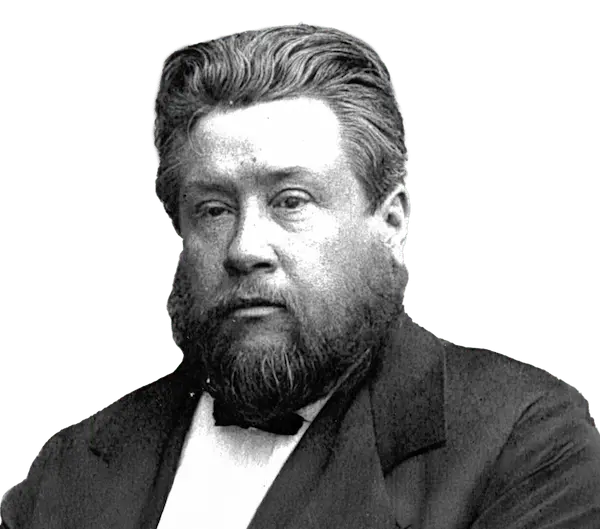
Charles Spurgeon Commentary
Acts 2
Commentary Groups
This author has written multiple commentaries over their lifetime on this chapter. We have grouped their commentaries for easier reading."And when the day of Pentecost was now come, they were all together in one place." — Acts 2:1 (ASV)
And when the day of Pentecost was fully come, they were all with one accord in one place.
The first lesson that we should learn from this inspired record of what happened on the day of Pentecost is that we cannot expect a revival until there is unity among Christians. The Spirit of God will not visit and bless a church where there is strife. These disciples in Jerusalem were all with one accord in one place, in prayer and supplication, as Acts 1:14 tells us.
"And suddenly there came from heaven a sound as of the rushing of a mighty wind, and it filled all the house where they were sitting. And there appeared unto them tongues parting asunder, like as of fire; and it sat upon each one of them. And they were all filled with the Holy Spirit, and began to speak with other tongues, as the Spirit gave them utterance. Now there were dwelling at Jerusalem Jews, devout men, from every nation under heaven. And when this sound was heard, the multitude came together, and were confounded, because that every man heard them speaking in his own language." — Acts 2:2-6 (ASV)
And suddenly there came a sound from heaven as of a rushing mighty wind, and it filled all the house where they were sitting. And there appeared unto them cloven tongues like as of fire, and it sat upon each of them. And they were all filled with the Holy Ghost, and began to speak with other tongues, as the Spirit gave them utterance. And there were dwelling at Jerusalem Jews, devout men, out of every nation under heaven. Now when this was noised abroad, the multitude came together,–
It was a great cause for surprise that men should be able to speak in foreign tongues without any previous instruction. The sound was heard outside the upper room where they were gathered. Many pressed to the door to listen and then went away to tell the strange news, and thus the multitude came together,–
"And when this sound was heard, the multitude came together, and were confounded, because that every man heard them speaking in his own language. And they were all amazed and marvelled, saying, Behold, are not all these that speak Galilaeans?" — Acts 2:6-7 (ASV)
And were confounded, because that every man heard them speak in his own language. And they were all amazed and marvelled, saying one to another, Behold, are not all these which speak Galilaeans?
"These men are Jews, and they come from a country district where the people are more than ordinarily illiterate. It is strange that they should be able to speak in foreign languages."
"And when the day of Pentecost was now come, they were all together in one place. And suddenly there came from heaven a sound as of the rushing of a mighty wind, and it filled all the house where they were sitting. And there appeared unto them tongues parting asunder, like as of fire; and it sat upon each one of them. And they were all filled with the Holy Spirit, and began to speak with other tongues, as the Spirit gave them utterance. Now there were dwelling at Jerusalem Jews, devout men, from every nation under heaven. And when this sound was heard, the multitude came together, and were confounded, because that every man heard them speaking in his own language. And they were all amazed and marvelled, saying, Behold, are not all these that speak Galilaeans? And how hear we, every man in our own language wherein we were born?" — Acts 2:1-8 (ASV)
And when the day of Pentecost was fully come, they were all with one accord in one place. And suddenly there came a sound from heaven as of a rushing mighty wind, and it filled all the house where they were sitting. And there appeared unto them cloven tongues like as of fire, and it sat upon each of them. And they were all filled with the Holy Ghost, and began to speak with other tongues, as the Spirit gave them utterance. And there were dwelling at Jerusalem Jews, devout men, out of every nation under heaven.
Now when this was noised abroad, the multitude came together, and were confounded, because that every man heard them speak in his own language. And they were all amazed and marvelled, saying one to another, Behold, are not all these which speak Galilaeans? And how hear we every man in our own tongue, wherein we were born?
These men, so far from being able to speak many languages, could not by themselves speak even one correctly. The Galilaean dialect was a base degradation of the true Jewish tongue, so that the Galilaeans were always the subject of sneers and scoffings on account of their mispronunciation.
There are several stories in the old Rabbinical writings, all intended to ridicule the Galilaeans; yet these men had now been taught to speak their own language perfectly. And, what was more marvellous still, languages that they had never heard now came pouring forth from their lips with the greatest fluency. How wide the range of those foreign tongues was, we learn from the following verses: –
"And when the day of Pentecost was now come, they were all together in one place. And suddenly there came from heaven a sound as of the rushing of a mighty wind, and it filled all the house where they were sitting. And there appeared unto them tongues parting asunder, like as of fire; and it sat upon each one of them. And they were all filled with the Holy Spirit, and began to speak with other tongues, as the Spirit gave them utterance. Now there were dwelling at Jerusalem Jews, devout men, from every nation under heaven. And when this sound was heard, the multitude came together, and were confounded, because that every man heard them speaking in his own language. And they were all amazed and marvelled, saying, Behold, are not all these that speak Galilaeans? And how hear we, every man in our own language wherein we were born? Parthians and Medes and Elamites, and the dwellers in Mesopotamia, in Judaea and Cappadocia, in Pontus and Asia, in Phrygia and Pamphylia, in Egypt and the parts of Libya about Cyrene, and sojourners from Rome, both Jews and proselytes, Cretans and Arabians, we hear them speaking in our tongues the mighty works of God. And they were all amazed, and were perplexed, saying one to another, What meaneth this? But others mocking said, They are filled with new wine." — Acts 2:1-13 (ASV)
And when the day of Pentecost was fully come, they were all with one accord in one place. And suddenly there came a sound from heaven as of a rushing mighty wind, and it filled all the house where they were sitting. And there appeared unto them cloven tongues like as of fire, and it sat upon each of them. And they were all filled with the Holy Ghost, and began to speak with other tongues, as the Spirit gave them utterance. And there were dwelling at Jerusalem Jews, devout men, out of every nation under heaven.
Now when this was noised abroad, the multitude came together, and were confounded, because that every man heard them speak in his own language. And they were all amazed and marvelled, saying one to another, Behold, are not all these which speak Galilaeans? And how hear we every man in our own tongue, wherein we were born?
Parthians, and Medes, and Elamites, and the dwellers in Mesopotamia, and in Judaea, and Cappadocia, in Pontus, and Asia, Phrygia, and Pamphylia, in Egypt, and in the parts of Libya about Cyrene, and strangers of Rome, Jews and proselytes, Cretes and Arabians, we do hear them speak in our tongues the wonderful works of God. And they were all amazed, and were in doubt, saying one to another, What meaneth this? Others mocking said, These men are full of new wine.
The people who came together were greatly astonished to find the disciples of Christ speaking to them in their own tongues.
Though all the speakers were Jews, and naturally knew no tongue but their own, yet they were able to talk in various languages.
Therefore some of their hearers, mocking, said, These men are full of new wine.
Jump to: