
Charles Spurgeon Commentary Acts 22
Charles Spurgeon Commentary
Acts 22
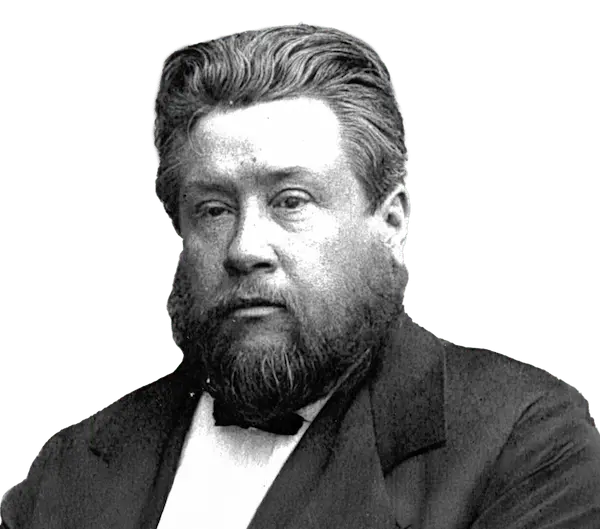
Charles Spurgeon Commentary
Acts 22
"Brethren and fathers, hear ye the defence which I now make unto you. And when they heard that he spake unto them in the Hebrew language, they were the more quiet: and he saith," — Acts 22:1-2 (ASV)
People like to be addressed in their own language; they give the more heed to the message if it is spoken to them in words that they can understand.
"I am a Jew, born in Tarsus of Cilicia, but brought up in this city, at the feet of Gamaliel, instructed according to the strict manner of the law of our fathers, being zealous for God, even as ye all are this day: and I persecuted this Way unto the death, binding and delivering into prisons both men and women. As also the high priest doth bear me witness, and all the estate of the elders: from whom also I received letters unto the brethren, and journeyed to Damascus to bring them also that were there unto Jerusalem in bonds to be punished. And it came to pass, that, as I made my journey, and drew nigh unto Damascus, about noon, suddenly there shone from heaven a great light round about me. And I fell unto the ground, and heard a voice saying unto me, Saul, Saul, why persecutest thou me? And I answered, Who art thou, Lord? And he said unto me, I am Jesus of Nazareth, whom thou persecutest. And they that were with me beheld indeed the light, but they heard not the voice of him that spake to me." — Acts 22:3-9 (ASV)
Paul's companions could not help sensing that extraordinary light, and though they did not understand what it was, they were alarmed by it. They also heard a supernatural sound, but they could not comprehend what the voice of Jesus said to their leader as he lay prostrate upon the ground.
"And I said, What shall I do, Lord? And the Lord said unto me, Arise, and go into Damascus; and there it shall be told thee of all things which are appointed for thee to do. And when I could not see for the glory of that light, being led by the hand of them that were with me I came into Damascus. And one Ananias, a devout man according to the law, well reported of by all the Jews that dwelt there," — Acts 22:10-12 (ASV)
These particulars concerning the character of Ananias do not appear in the former part of the narrative. Paul was endeavoring to conciliate his hearers, and therefore he mentioned that Ananias was a devout Jew, well-spoken of by all his brethren who lived in Damascus.
"came unto me, and standing by me said unto me, Brother Saul, receive thy sight. And in that very hour I looked up on him. And he said, The God of our fathers hath appointed thee to know his will, and to see the Righteous One, and to hear a voice from his mouth." — Acts 22:13-14 (ASV)
If Paul was to be an apostle, it was necessary for him to see the Lord Christ, for one of the qualifications of an apostle was that he should be able to bear witness, from his eyesight and from his hearing, to the existence of the Lord Jesus Christ. Therefore, Saul did, at that time, see that Just One, and did hear the voice of his mouth.
"For thou shalt be a witness for him unto all men of what thou hast seen and heard. And now why tarriest thou? arise, and be baptized, and wash away thy sins, calling on his name." — Acts 22:15-16 (ASV)
These two things were necessary; first, he was to be baptized on profession of his faith in Jesus, and then, he was to have in his soul a vivid consciousness that his sins were all washed away. This was not baptismal regeneration, for he was already regenerate. It was, however, the obedience to the Lord's command, which brought with it a sweet reassurance of the forgiveness of his sins.
Jump to: