
Charles Spurgeon Commentary Acts 27
Charles Spurgeon Commentary
Acts 27
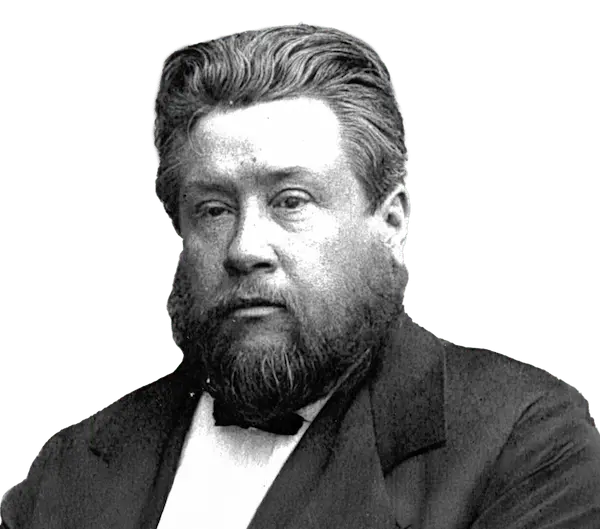
Charles Spurgeon Commentary
Acts 27
Commentary Groups
This author has written multiple commentaries over their lifetime on this chapter. We have grouped their commentaries for easier reading."And when it was determined that we should sail for Italy, they delivered Paul and certain other prisoners to a centurion named Julius, of the Augustan band. And embarking in a ship of Adramyttium, which was about to sail unto the places on the coast of Asia, we put to sea, Aristarchus, a Macedonian of Thessalonica, being with us. And the next day we touched at Sidon: and Julius treated Paul kindly, and gave him leave to go unto his friends and refresh himself." — Acts 27:1-3 (ASV)
Even a Roman centurion could see that Paul was no ordinary prisoner, and that it was quite safe to allow him privileges which others might have abused.
"And putting to sea from thence, we sailed under the lee of Cyprus, because the winds were contrary. And when we had sailed across the sea which is off Cilicia and Pamphylia, we came to Myra, [a city] of Lycia. And there the centurion found a ship of Alexandria sailing for Italy; and he put us therein. And when we had sailed slowly many days, and were come with difficulty over against Cnidus, the wind not further suffering us, we sailed under the lee of Crete, over against Salmone; and with difficulty coasting along it we came unto a certain place called Fair Havens; nigh whereunto was the city of Lasea. And when much time was spent, and the voyage was now dangerous, because the Fast was now already gone by, Paul admonished them, and said unto them, Sirs, I perceive that the voyage will be with injury and much loss, not only of the lading and the ship, but also of our lives. But the centurion gave more heed to the master and to the owner of the ship, than to those things which were spoken by Paul. And because the haven was not commodious to winter in, the more part advised to put to sea from thence, if by any means they could reach Phoenix, and winter [there; which is] a haven of Crete, looking northeast and south-east." — Acts 27:4-12 (ASV)
And when we had launched from thence, we sailed under Cyprus, because the winds were contrary. And when we had sailed over the sea of Cilicia and Pamphylia, we came to Myra, a city of Lycia. And there the centurion found a ship of Alexandria sailing into Italy; and he put us therein. And when we had sailed slowly many days, and scarce were come over against Cnidus, the wind not suffering us, we sailed under Crete, over against Salmone; and, hardly passing it, came unto a place which is called the fair havens; nigh whereunto was the city of Lasea. Now when much time was spent, and when sailing was now dangerous, because the fast was now already past, Paul admonished them, and said unto them, Sirs, I perceive that this voyage will be with hurt and much damage, not only of the lading and ship, but also of our lives. Nevertheless the centurion believed the master and the owner of the ship, more than those things which were spoken by Paul. And because the haven was not commodious to winter in, the more part advised to depart thence also, if by any means they might attain to Phenice, and there to winter; which is an haven of Crete, and lieth toward the south west and north west.
It was quite natural that the centurion should think that the master and the owner of the ship knew more about seafaring matters than Paul did, but the sequel proved that the apostle knew more than they did, for he had access to information that was hidden from them.
"And when the south wind blew softly, supposing that they had obtained their purpose, they weighed anchor and sailed along Crete, close in shore." — Acts 27:13 (ASV)
And when the south wind blew softly, supposing that they had obtained their purpose, loosing thence, they sailed close by Crete.
That was not the only voyage that commenced favourably and ended disastrously.
"But the centurion gave more heed to the master and to the owner of the ship, than to those things which were spoken by Paul. And because the haven was not commodious to winter in, the more part advised to put to sea from thence, if by any means they could reach Phoenix, and winter [there; which is] a haven of Crete, looking northeast and south-east. And when the south wind blew softly, supposing that they had obtained their purpose, they weighed anchor and sailed along Crete, close in shore." — Acts 27:11-13 (ASV)
Nevertheless the centurion believed the master and the owner of the ship, more than those things, which were spoken by Paul. And because the haven was not commodious to winter in, the more part advised to depart thence also, if by any means they might attain to Phenice, and there to winter; which is an haven of Crete, and lieth toward the south west and north west. And when the south wind blew softly, supposing that they had obtained their purpose, loosing thence, they sailed close by Crete.
He is very unwise who trusts the winds, and equally so is he who sets his confidence upon any earthly thing, for fickle as the wind that blows are all things beneath the moon.
"But after no long time there beat down from it a tempestuous wind, which is called Euraquilo: and when the ship was caught, and could not face the wind, we gave way [to it,] and were driven." — Acts 27:14-15 (ASV)
But not long after there arose against a tempestuous wind, called Euroclydon. And when the ship was caught, and could not bear up into the wind, we let her drive.
You may have a calm at one moment, and a storm at the next, and unless your protection is from above, and your confidence in something more stable than can be found in this world, woe to you. Sometimes, it is well to yield to the stress of circumstances. If you have struggled hard, and can do no more, it is well to leave the result with God.
Jump to: