
Charles Spurgeon Commentary Amos 6
Charles Spurgeon Commentary
Amos 6
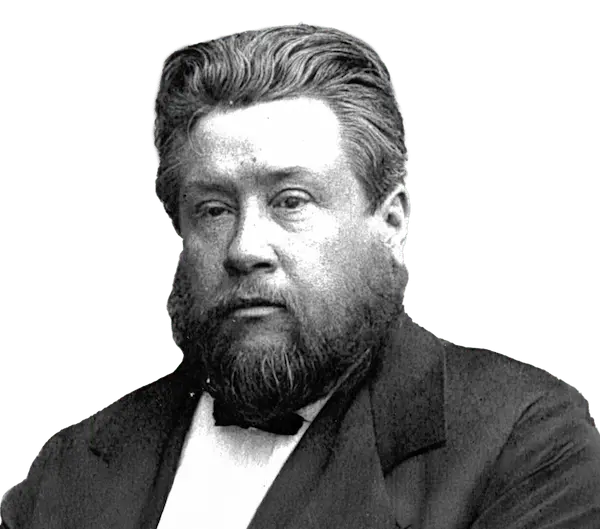
Charles Spurgeon Commentary
Amos 6
"Woe to them that are at ease in Zion, and to them that are secure in the mountain of Samaria, the notable men of the chief of the nations, to whom the house of Israel come!" — Amos 6:1 (ASV)
It was a time of great sin, and also of great judgment, yet there were some in Zion who were quite at ease under all that was happening. No sense of sin grieved them, no thought of coming judgment alarmed them.
What did they care if the nation went to rack and ruin? What did it signify to them that God was angry with his people? They were atheists; or, at least, they acted as if they were. Whatever might happen, they would run the risk of it.
"Woe," says God, to all such people as these; and when the Lord says "Woe" to anyone, it is indeed woe, for he never speaks in this way without cause.
"Pass ye unto Calneh, and see; and from thence go ye to Hamath the great; then go down to Gath of the Philistines: are they better than these kingdoms? or is their border greater than your border?" — Amos 6:2 (ASV)
The Lord points to other cities that had been destroyed—to Calneh, Hamath, and Gath, which He had struck down because of the sin of the people who had lived there; and He says, "You who dwell in Jerusalem, and you who live in Samaria, do not imagine that you will escape the consequences of your sin. I was able to reach the inhabitants of these proud cities, despite their strong fortifications and their powerful armies; and I can reach you also."
So, when we look back on the judgments of God upon guilty people, we may conclude that no sinner has any right to think that he will escape.
The proudest and mightiest have been brought down by God, and so too will those who dare to resist the Most High. Continue to be humble, even to the end of the world.
"-ye that put far away the evil day, and cause the seat of violence to come near;" — Amos 6:3 (ASV)
You that put far away the evil day,—
You who say, "There is time enough yet. Let us see a little more of life; why need we be in a hurry to seek salvation?" You that put far away the evil day,—
And cause the seat of violence to come near;
For, when men try to postpone thoughts about "the judgment" which is to follow "after death," they are generally the more eager to indulge in sin. They say, "There is time enough yet," because they want a longer period to get greater indulgence in sinful ways. The Lord says "Woe" to all such people as these.
"that lie upon beds of ivory, and stretch themselves upon their couches, and eat the lambs out of the flock, and the calves out of the midst of the stall;" — Amos 6:4 (ASV)
That lie upon beds of ivory,
They were men of wealth, who spent their money upon all manner of luxuries while the poor of the land were perishing through want.
And stretch themselves upon their couches, and eat the lambs out of the flock, and the calves out of the midst of the stall;
It was, as I have said, a time of danger, when war was at the gates; but the people were so careless that they lived as if peace were established forever, and the enemy could never touch them.
Their expenditure was at a high rate for self-indulgence, and for that only.
"that sing idle songs to the sound of the viol; that invent for themselves instruments of music, like David;" — Amos 6:5 (ASV)
But not for the same purpose as David played and sang; his instruments of music were used for spiritual solace and the worship of God; but these people used their ingenuity to discover how their music might inflame their lusts and be a vehicle for the expression of their lascivious desires.
Jump to: