
Charles Spurgeon Commentary Deuteronomy 29
Charles Spurgeon Commentary
Deuteronomy 29
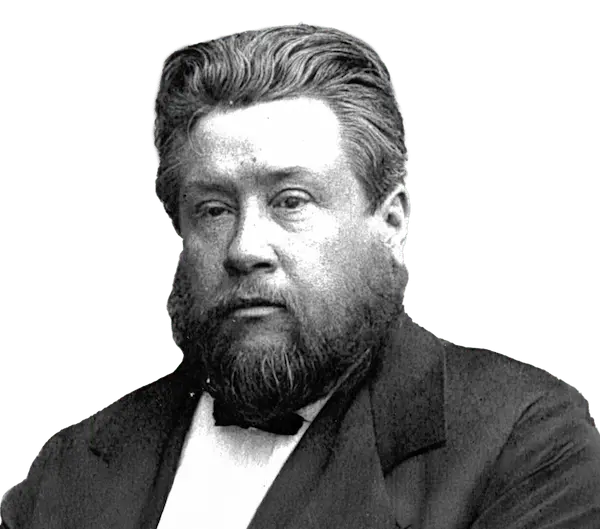
Charles Spurgeon Commentary
Deuteronomy 29
"These are the words of the covenant which Jehovah commanded Moses to make with the children of Israel in the land of Moab, besides the covenant which he made with them in Horeb." — Deuteronomy 29:1 (ASV)
That is the preamble, just as in legal documents there is usually some statement of the purpose and intent of the legal contract before proceeding with the main content. These covenants with God are solemn things, and therefore they are given in a formal manner to capture attention and demand our serious consideration.
"And Moses called unto all Israel, and said unto them, Ye have seen all that Jehovah did before your eyes in the land of Egypt unto Pharaoh, and unto all his servants, and unto all his land; the great trials which thine eyes saw, the signs, and those great wonders: but Jehovah hath not given you a heart to know, and eyes to see, and ears to hear, unto this day." — Deuteronomy 29:2-4 (ASV)
You saw all that, and yet did not see it; you saw the external work, but the internal lesson you did not perceive. A very mournful statement to make; but God's servants are not sent to flatter man but to speak the truth, however painful the speaking of it may be.
"And I have led you forty years in the wilderness: your clothes are not waxed old upon you, and thy shoe is not waxed old upon thy foot. Ye have not eaten bread, neither have ye drunk wine or strong drink; that ye may know that I am Jehovah your God." — Deuteronomy 29:5-6 (ASV)
Either there had been means of frequent renewal of their garments, or else by a miracle these garments had never worn out; and the very shoes that they put on their feet on the Passover night were still on their feet. If not the same, they were still shod, though they trod the weary wilderness, which could well have worn them out until they were bare. You have not eaten bread, neither have you drunk wine or strong drink: – a nation of total abstainers for forty years.
There was no bread in the wilderness for them, and there was no wine. It may have been obtained as a great luxury, as it probably was, for we have reason to believe that Nadab and Abihu were slain by fire before the Lord because they were drunk when they offered strange fire; but considering the people as a whole, anything like wine had not crossed their lips for forty years, yet there they were, strong and healthy. That you may know that I am Jehovah your God.
"And when ye came unto this place, Sihon the king of Heshbon, and Og the king of Bashan, came out against us unto battle, and we smote them:" — Deuteronomy 29:7 (ASV)
People not used to war, and weak people, yet they struck down the great kings and killed mighty kings, for the Lord was with them.
"and we took their land, and gave it for an inheritance unto the Reubenites, and to the Gadites, and to the half-tribe of the Manassites. Keep therefore the words of this covenant, and do them, that ye may prosper in all that ye do." — Deuteronomy 29:8-9 (ASV)
This, then, was the covenant made with the nation, that God should be their God and he would prosper them: as he had done, so would he do: he would be their protector, defender, strength, and crown and joy.
Jump to: