
Charles Spurgeon Commentary Exodus 24
Charles Spurgeon Commentary
Exodus 24
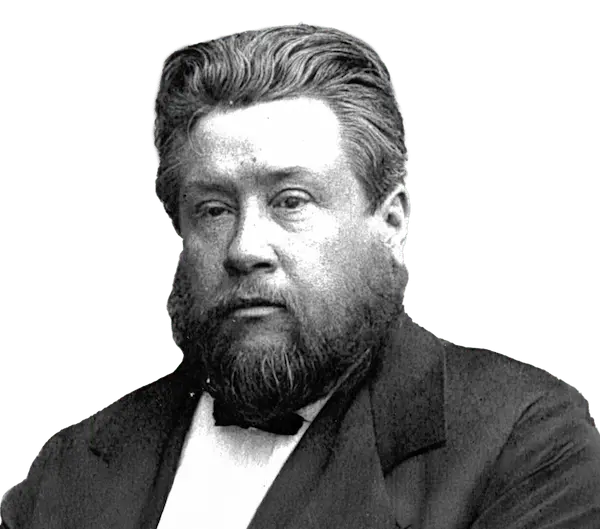
Charles Spurgeon Commentary
Exodus 24
"And he said unto Moses, Come up unto Jehovah, thou, and Aaron, Nadab, and Abihu, and seventy of the elders of Israel; and worship ye afar off: and Moses alone shall come near unto Jehovah; but they shall not come near; neither shall the people go up with him." — Exodus 24:1-2 (ASV)
Nearer to God than the people were allowed to come, but still at a distance from him. It was a covenant of distance. Bounds were set about the mount so that the people would not come too near. Yet they were near to God as compared with the heathen, but far off as compared with those who now, by the teaching of the Spirit of God, have been brought near to God through the precious blood of Jesus.
Moses alone could come near to Jehovah on Mount Sinai; the people could not go up with him, nor even with the man who was their mediator with God, for that is what Moses was. But you and I, beloved, can go up with him who is far greater than Moses—with him who is the one Mediator between God and men, the man Christ Jesus, for God hath raised us up together, and made us sit together in heavenly places in Christ Jesus.
"And Moses came and told the people all the words of Jehovah, and all the ordinances: and all the people answered with one voice, and said, All the words which Jehovah hath spoken will we do. And Moses wrote all the words of Jehovah, and rose up early in the morning, and builded an altar under the mount, and twelve pillars, according to the twelve tribes of Israel. And he sent young men of the children of Israel, who offered burnt-offerings, and sacrificed peace-offerings of oxen unto Jehovah. And Moses took half of the blood, and put it in basins; and half of the blood he sprinkled on the altar. And he took the book of the covenant, and read in the audience of the people: and they said, All that Jehovah hath spoken will we do, and be obedient. And Moses took the blood, and sprinkled it on the people, and said, Behold the blood of the covenant, which Jehovah hath made with you concerning all these words." — Exodus 24:3-8 (ASV)
There is a double power about the blood: towards God, an atonement (that is, the blood sprinkled on the altar); and towards ourselves, a sense of reconciliation. Thus, the blood must be sprinkled upon us so that we may experience its cleansing power.
Jump to: