
Charles Spurgeon Commentary Genesis 1
Charles Spurgeon Commentary
Genesis 1
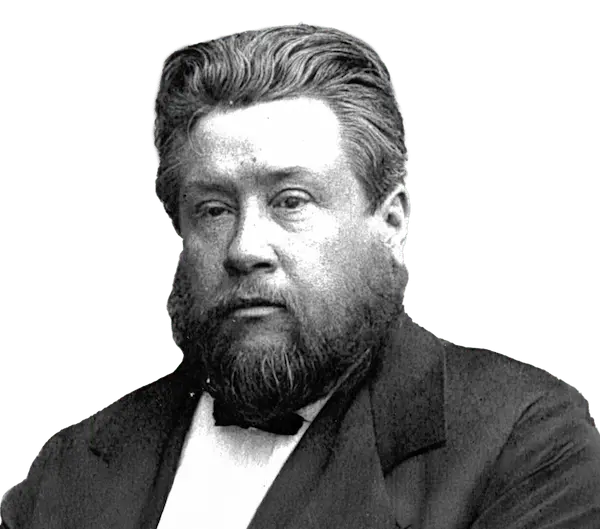
Charles Spurgeon Commentary
Genesis 1
"In the beginning God created the heavens and the earth." — Genesis 1:1 (ASV)
When that "beginning" was, we cannot tell. It may have been long ages before God prepared this world as a dwelling place for humanity, but it was not self-existent; it was created by God, it sprang from the will and the word of the all-wise Creator.
"And the earth was waste and void; and darkness was upon the face of the deep: and the Spirit of God moved upon the face of the waters" — Genesis 1:2 (ASV)
And the earth was without form, and void; and darkness was upon the face of the deep.
When God began to arrange this world in order, it was shrouded in darkness, and it had been reduced to what we call, for want of a better name, "chaos." This is just the condition of every soul of man when God begins to deal with him in his grace; it is formless and empty of all good things. There is none righteous, no, not one: there is none that understandeth, there is none that seeketh after God. They are all gone out of the way.
And the Spirit of God moved upon the face of the waters (Genesis 1:2).
This was the first act of God in preparing this planet to be the abode of man, and the first act of grace in the soul is for the Spirit of God to move within it. How that Spirit of God comes there, we do not know; we cannot tell how he acts, even as we cannot tell how the wind bloweth where it listeth, but until the Spirit of God moves upon the soul, nothing is done towards its new creation in Christ Jesus.
"And God said, Let there be light: and there was light. And God saw the light, that it was good: and God divided the light from the darkness." — Genesis 1:3-4 (ASV)
"Light be." "Light was." God had but to speak the word, and the great wonder was accomplished. How there was light before there was any sun — for the sun was not created until the fourth day of the week — it is not for us to say.
But God is not dependent upon his own creation. He can make light without a sun, he can spread the gospel without the aid of ministers, he can convert souls without any human or angelic agency, for he does as he wills in the heavens above and on the earth beneath.
"And God called the light Day, and the darkness he called Night. And there was evening and there was morning, one day." — Genesis 1:5 (ASV)
It is a good thing to have the right names for things. An error is often half killed when you know the real name of it; its power lies in its being indescribable; but as soon as you can call it "darkness," you know how to act towards it. It is a good thing also to know the names of truths, and the names of other things that are right. God is very particular in the Scripture about giving people their right names. The Holy Spirit says, "Judas, not Iscariot," so that there should be no mistake about the person intended.
Let us also always call persons and things by their right names: "God called the light Day, and the darkness he called Night." "And the evening and the morning were the first day." Darkness first and light afterwards. It is so with us spiritually; first darkness, then light. I suppose that, until we get to heaven, there will be both darkness and light in us; and as to God's providential dealings, we must expect darkness as well as light. They will make up our first day and our last day, till we get where there are no days but the Ancient of Days.
"And God said, Let there be a firmament in the midst of the waters, and let it divide the waters from the waters. And God made the firmament, and divided the waters which were under the firmament from the waters which were above the firmament: and it was so. And God called the firmament Heaven. And there was evening and there was morning, a second day." — Genesis 1:6-8 (ASV)
"The firmament"—an expanse of air in which floated the waters which afterwards condensed, and fell upon the earth in refreshing showers. These waters above were divided from the waters below. Perhaps they were all one steamy conglomeration before, but now they are separated. Note those four words, and it was so. Whatever God ordains always comes. You will find that it is true of all his promises that, whatever he has said, shall be fulfilled to you, and you shall one day say of it all, and it was so.
It is equally certain concerning all his threats that what he has spoken shall certainly be fulfilled, and the ungodly will have to say and it was so. These words are often repeated in this chapter.
They convey to us the great lesson that the word of God is sure to be followed by the deed of God. He speaks, and it is done.
Jump to: