
Charles Spurgeon Commentary Genesis 27:1-4
Charles Spurgeon Commentary
Genesis 27:1-4
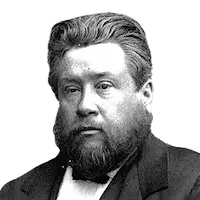
Charles Spurgeon Commentary
Genesis 27:1-4
SCRIPTURE
"And it came to pass, that when Isaac was old, and his eyes were dim, so that he could not see, he called Esau his elder son, and said unto him, My son. And he said unto him, Here am I. And he said, Behold now, I am old, I know not the day of my death. Now therefore take, I pray thee, thy weapons, thy quiver and thy bow, and go out to the field, and take me venison. And make me savory food, such as I love, and bring it to me, that I may eat. That my soul may bless thee before I die." — Genesis 27:1-4 (ASV)
It is a sad misfortune to lose one's eyesight! How greatly, indeed, much more than we currently do, we ought to thank God for the preservation of our sight. One of our greatest scientists has aptly noted "that we seldom hear Christian men thank God as they should for the use of spectacles in these modern times." A philosopher has also written a long paper about the blessings he found in old age from this invention; and we, who are still able to read the Word when our sight fades, should be exceedingly grateful for it.
After all, despite all such aids, it remains a very great trial to be deprived of one's eyesight. Yet, those who are so deprived find themselves in good company.
While such individuals are in the company of some of the greatest theologians in modern history, they also have here the example of one of the best of men—one of the patriarchs whose eyes were dim, so that he could not see. It seems he also experienced a certain mistiness of soul around this time, which was far worse; and so he desired to give the blessing to Esau, whom God had determined should never receive it.