
Charles Spurgeon Commentary Genesis 32:9-12
Charles Spurgeon Commentary
Genesis 32:9-12
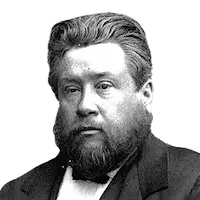
Charles Spurgeon Commentary
Genesis 32:9-12
SCRIPTURE
"And Jacob said, O God of my father Abraham, and God of my father Isaac, O Jehovah, who saidst unto me, Return unto thy country, and to thy kindred, and I will do thee good: I am not worthy of the least of all the lovingkindnesses, and of all the truth, which thou hast showed unto thy servant; for with my staff I passed over this Jordan; and now I am become two companies. Deliver me, I pray thee, from the hand of my brother, from the hand of Esau: for I fear him, lest he come and smite me, the mother with the children. And thou saidst, I will surely do thee good, and make thy seed as the sand of the sea, which cannot be numbered for multitude." — Genesis 32:9-12 (ASV)
And Jacob said, O God of my father Abraham, and God of my father Isaac, the LORD who said to me, Return to your country, and to your kindred, and I will deal well with you: I am not worthy of the least of all your mercies, and of all the truth, which you have shown to your servant; for with my staff I passed over this Jordan; and now I have become two bands. Deliver me, I pray you, from the hand of my brother, from the hand of Esau: for I fear him, lest he will come and smite me, and the mother with the children. And you said, I will surely do you good, and make your seed as the sand of the sea, which cannot be numbered for multitude.
Note the humility of Jacob's prayer. We cannot expect our supplications to find favor with God unless we put them on the basis of free grace by acknowledging that we have no merit of our own that we can plead before him.
Yet notice also how Jacob reminds God of his promise, You said, I will surely do you good. That is the very pith and marrow of prayer when we can quote the Lord's promise, and say to him, Remember the word to your servant, upon which you have caused me to hope. You have a strong plea to urge with God when you can say to him, You said, for he is a God who cannot lie.
And Jacob said, O God of my father Abraham, and God of my father Isaac, the Lord which saidst unto me, Return unto thy country, and to thy kindred, and I will deal well with thee: I am not worthy of the least of all the mercies, and of all the truth, which thou hast shewed unto thy servant; for with my staff I passed over this Jordan, and now I am become two bands. Deliver me, I pray thee, from the hand of my brother, from the hand of Esau: for I fear him, lest he will come and smite me, and the mother with the children. And thou saidst, I will surely do thee good, and make thy seed as the sand of the seas which cannot be numbered for multitude.
A prayer most humble, most direct in its petitions, and also full of faith. That was a grand argument for him to use: Thou saidst, I will surely do thee good. This is one of the mightiest pleas that we can urge in praying to God: Do as thou hast said. Remember the word unto thy servant, upon which thou hast caused me to hope. O brothers, if you can remind God of his own promise, you must win the day, for promised mercies are sure mercies.
"As well might he his being quit,
As break his promise, or forget."
Hath he said, and shall he not do it? Only for this will he be inquired of by the house of Israel to do it for them, and we must take care that we call his promise to mind, and plead it at the mercy seat.
And Jacob said, O God of my father Abraham, and God of my father Isaac, the LORD which saidst unto me, Return unto thy country, and to thy kindred, and I will deal well with thee: I am not worthy of the least of all the mercies, and of all the truth, which thou hast shewed unto thy servant; for with my staff I passed over this Jordan; and now I am become two bands. Deliver me, I pray thee, from the hand of my brother, from the hand of Esau: for I fear him, lest he will come and smite me, and the mother with the children. And thou saidst, –
That is always the most powerful plea when we can quote God's own promise: Thou saidst, –