
Charles Spurgeon Commentary Isaiah 2
Charles Spurgeon Commentary
Isaiah 2
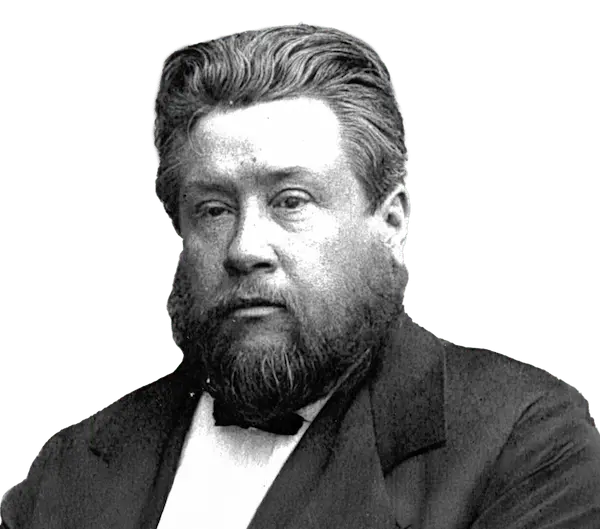
Charles Spurgeon Commentary
Isaiah 2
"The word that Isaiah the son of Amoz saw concerning Judah and Jerusalem. And it shall come to pass in the latter days, that the mountain of Jehovah`s house shall be established on the top of the mountains, and shall be exalted above the hills; and all nations shall flow unto it." — Isaiah 2:1-2 (ASV)
The word that Isaiah the son of Amos saw concerning Judah and Jerusalem. And it shall come to pass in the last days, that the mountain of the LORD'S house shall be established in the top of the mountains, and shall be exalted above the hills; and all nations shall flow unto it.
What grand hopes are kindled in our hearts by words like these. The church has always been as a city set on a hill that cannot be hidden, but still she has not been known in all parts of the world, and she has never been known with that universal eminence which attaches to the things of this world – the things of pomp and show.
But the day will come when she will be the highest of the high.
Her mountain will be established on the tops of the mountains, – when she will be best known of all the known, and will become what she was always meant to be – the metropolis of the whole world, the center to which all peoples will flow. Not the Jews alone will then possess the oracles of God, but all nations shall flow unto it.
"And many peoples shall go and say, Come ye, and let us go up to the mountain of Jehovah, to the house of the God of Jacob; and he will teach us of his ways, and we will walk in his paths: for out of Zion shall go forth the law, and the word of Jehovah from Jerusalem." — Isaiah 2:3 (ASV)
In these happy days which have, in a measure, begun, but which in their fullness have not yet dawned upon us, the Spirit of the Lord will work in the hearts of multitudes of people a desire for God.
They will be willing to worship him; they will say, "Let us go up to the mountain of Jehovah"; and they will be anxious to learn what he would teach. This will be the reason why they go—"He will teach us of his ways." They will not only wish to learn, but be quick to practice: "and we will walk in his paths."
Sometimes we have to complain that the masses of mankind are forsaking the worship of God altogether. Too often, those who do attend do so with an inferior motive—not that they may be taught by God. Even some who are, in a manner, taught, are slow to obey. The Lord teaches them by his ministers, but they do not walk in his paths.
Blessed days when all this will be reversed, and the multitudes will flock to the church and to the Christ!
"And he will judge between the nations, and will decide concerning many peoples; and they shall beat their swords into plowshares, and their spears into pruning-hooks; nation shall not lift up sword against nation, neither shall they learn war any more." — Isaiah 2:4 (ASV)
They shall not save their weapons for future use, or believe in the theory that the best way to preserve peace is to be prepared for war; but they shall beat their swords into ploughshares and turn their spears into pruninghooks.
The spirit which created war shall be conquered. From where do wars and fightings among you come? Do they not come from this source, even from your lusts?
When lust and envy and hatred shall be dethroned, and the Spirit of Christ shall be dominant over the world, then shall they learn war no more.
"O happy day! O long-expected day begin!" Let each one of us labor mightily as the Spirit works in us to bring about a consummation so devoutly wished for.
"O house of Jacob, come ye, and let us walk in the light of Jehovah." — Isaiah 2:5 (ASV)
The Jew will come. Long rejecting the Messiah, yet he will be with the Gentile, and will walk in the light of Jehovah. Now the theme changes. We are led to see why a happy state of things does not prevail at this moment, and did not prevail in the land of Judah.
Sin—sin is the cause of the trouble: idolatry, the setting up of something in the place of God.
"For thou hast forsaken thy people the house of Jacob, because they are filled [with customs] from the east, and [are] soothsayers like the Philistines, and they strike hands with the children of foreigners." — Isaiah 2:6 (ASV)
Therefore thou hast forsaken thy people the house of Jacob, because they be replenished from the east, and are soothsayers like the Philistines, and they please themselves in the children of strangers.
The nations then had their soothsayers and fortune-tellers, and the people of God ought not to have so degraded themselves, but they did, and therefore they provoked him, and they sought out foreigners and entered into alliances with them, whereas the Lord had commanded them to be a people separate to himself. It always goes ill with those who profess to be God's people when they forget their separated character and join with the world.
Jump to: