
Charles Spurgeon Commentary Isaiah 2:13-16
Charles Spurgeon Commentary
Isaiah 2:13-16
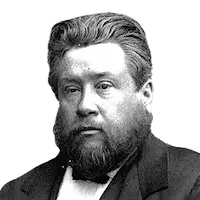
Charles Spurgeon Commentary
Isaiah 2:13-16
SCRIPTURE
"and upon all the cedars of Lebanon, that are high and lifted up, and upon all the oaks of Bashan, and upon all the high mountains, and upon all the hills that are lifted up, and upon every lofty tower, and upon every fortified wall, and upon all the ships of Tarshish, and upon all pleasant imagery." — Isaiah 2:13-16 (ASV)
And upon all the cedars of Lebanon, that are high and lifted up, and upon all the oaks of Bashan, And upon all the high mountains, and upon all the hills that are lifted up, And upon every high tower, and upon every fenced wall, And upon all the ships of Tarshish, and upon all pleasant pictures.
No matter what man sets up, however good or great, if he dares to bring it into competition with God, God's hand is against him, and he will break it in pieces. Whenever God comes out of his secret place, this is always the end of it.
He came against Babylon and against Nineveh. Indeed, ask the traveler who has wonderingly descended into those vast mounds, "Where are those mighty monarchies now?" Where is the power of Sennacherib and where the might of Nebuchadnezzar? They have gone. The dust is their sole monument.
Consider, in later days, the great power of Rome. And as one walks through Rome, that vast mausoleum of an empire, where one treads at every step upon an empire's dust—what can you think but that God has broken the iron kingdom and made what seemed to be an omnipotent power pass away from the face of the earth?
Woe to all that is great and all that is high and all that exalts itself above God. Whether a temporal power or a spiritual one, it will pass away like a dream of the night, or a vision of the air, for the Lord is, and all else is nothing.