
Charles Spurgeon Commentary Isaiah 50
Charles Spurgeon Commentary
Isaiah 50
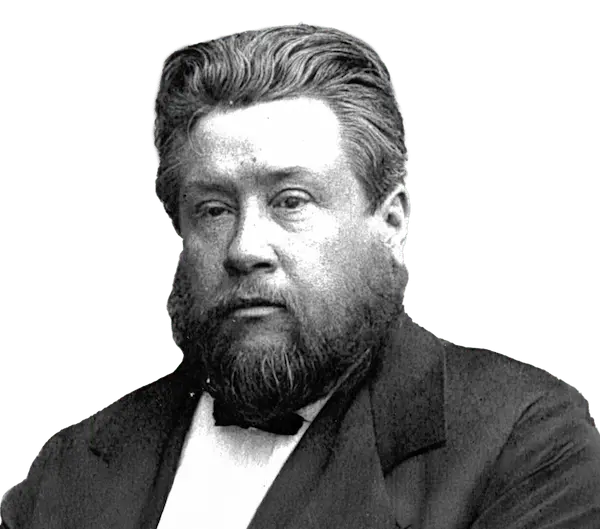
Charles Spurgeon Commentary
Isaiah 50
Commentary Groups
This author has written multiple commentaries over their lifetime on this chapter. We have grouped their commentaries for easier reading."Thus saith Jehovah, Where is the bill of your mother`s divorcement, wherewith I have put her away? or which of my creditors is it to whom I have sold you? Behold, for your iniquities were ye sold, and for your transgressions was your mother put away." — Isaiah 50:1 (ASV)
Thus saith the LORD,
There is always something weighty coming when you have this preface. If God speaks, we ought to hear with reverence, with attention.
Where is the bill of your mother's divorcement, whom I have put away? or which of my creditors is it to whom I have sold you?
God is here addressing His ancient people; they had been given up, as it were, left, forsaken. They compared themselves to a wife who had been divorced by her husband, or to children who had been sold by their father because of his extreme poverty. The Lord says, "Now, tell me, have I really put away My chosen people as a man in a fit of temper puts away his wife? Have I really sold you to profit by you?
What benefit is it to Me that you are carried away captive, and that you are left without comfort?"
Behold, for your iniquities have ye sold yourselves, and for your transgressions is your mother put away.
It was not God's changeableness, but their own sinfulness, that had brought upon them all their sufferings. The Jews might have remained a nation in possession of their own land to this day, if they had not turned aside to idols. It was not that God cast away his people whom he did foreknow; but they cast him off, they sold themselves.
Now, if any child of God has fallen into trouble of heart, and has lost his comfort, let him not blame God; his sorrow is caused by his own act and deed. And if any man or woman here should be in deep trouble brought on by sin, let them not attribute it to their destiny, let them not call God unkind; but let them take the blame to themselves: For your iniquities have ye sold yourselves, and for your transgressions is your mother put away.
"Wherefore, when I came, was there no man? when I called, was there none to answer? Is my hand shortened at all, that it cannot redeem? or have I no power to deliver? Behold, at my rebuke I dry up the sea, I make the rivers a wilderness: their fish stink, because there is no water, and die for thirst." — Isaiah 50:2 (ASV)
Wherefore, when I came, was there no man? when I called, was there none to answer?
It is Christ who is speaking here by the mouth of the prophet.
When he came, there was "no man." He could not find in all the nation any faithful one to help him in his great redemptive work.
He came unto his own, and his own received him not. He preached repentance and faith throughout the land; but they cried, Crucify, him! Crucify him! They loved darkness rather than light, because their deeds were evil.
Is my hand shortened at all, that it cannot redeem? or have I no power to deliver?
If you are in the worst plight in which you can be, God can still help you. Despair of yourself, but do not despair of him. If you have come to the very bottom of all things, and the last ray of hope is quenched in midnight darkness, God is still the same.
Hear what he says to you: Is my hand shortened at all, that it cannot redeem? or have I no power to deliver?
Can he not break the bonds of drunkenness? Can he not deliver the unchaste from their vile passions? Can he not pick up from the dunghill the outcast and the rejected?
Is anything too hard for the Lord? Is the salvation of the greatest sinners impossible for him to accomplish? That can never be, for he is mighty to save.
Behold, at my rebuke I dry up the sea, I make the rivers a wilderness; their fish stink, because there is no water, and die for thirst.
God divided the Red Sea; he parted the Jordan, and made a way for his people to pass over. He who has done this can do anything.
When God takes up the case, impossibility is not in the dictionary. However great your sorrow, however deep your misfortune, or however grievous your sin, if God comes to deal with it, he will make short work of all your troubles, and all your despair.
"Thus saith Jehovah, Where is the bill of your mother`s divorcement, wherewith I have put her away? or which of my creditors is it to whom I have sold you? Behold, for your iniquities were ye sold, and for your transgressions was your mother put away." — Isaiah 50:1 (ASV)
Thus says the LORD, Where is the bill of your mother's divorcement, whom I have put away? or which of my creditors is it to whom I have sold you?
There were some who said God had put away, like a divorced woman, his ancient people, that he had sold his children into slavery; but he says, "It is not so. Where is the bill of divorcement? To whom have I sold you?"
Behold, for your iniquities have you sold yourselves, and for your transgressions is your mother put away.
That is to say, the nation, which was their mother, had lost the favor of God; not because of his capriciousness, but because their sins had cried aloud for justice and for judgment. God could not be in friendly relationship with such a people, so hypocritical, so false, so in every way rebellious against him.
"Thus saith Jehovah, Where is the bill of your mother`s divorcement, wherewith I have put her away? or which of my creditors is it to whom I have sold you? Behold, for your iniquities were ye sold, and for your transgressions was your mother put away." — Isaiah 50:1 (ASV)
Thus says the LORD, Where is the bill of your mother's divorcement, whom I have put away?
Sometimes, the headings to the chapters in our Bible give us the meaning of the passage. They are, of course, not inspired and are merely put there by the translators, but sometimes they are little comments upon the text. It is so in the heading of this chapter: "Christ shows that the abandonment of the Jews is not to be imputed to him, by his ability to save, by his obedience in that work, and by his confidence in that assistance," so that the Lord Jesus here speaks to the Jewish Church. The great Redeemer, "the mighty One of Jacob," thus speaks to his chosen people Israel: Where is the bill of your mother's divorcement, whom I have put away?
Or which of my creditors is it to whom I have sold you? Behold, for your iniquities have you sold yourselves, and for your transgressions is your mother put away.
It was sin that caused the alienation between Israel and her God, and it is sin that is the cause of all the estrangement from God in the world. A sinful man, so long as he continues to live in sin, cannot love a holy God.
"Wherefore, when I came, was there no man? when I called, was there none to answer? Is my hand shortened at all, that it cannot redeem? or have I no power to deliver? Behold, at my rebuke I dry up the sea, I make the rivers a wilderness: their fish stink, because there is no water, and die for thirst. I clothe the heavens with blackness, and I make sackcloth their covering." — Isaiah 50:2-3 (ASV)
Wherefore, when I came, was there no man? When I called, was there none to answer? Is my hand shortened at all, that it cannot redeem? Or have I no power to deliver? Behold, at my rebuke I dry up the sea, I make the rivers a wilderness: their fish stinks because there is no water, and dies for thirst. I clothe the heavens with blackness, and I make sackcloth their covering.
What a glorious God this is who says that he has not divorced his people!
How mighty he is; indeed, almighty! All power is in his hands.
Notice who he is, for he goes on to describe himself: –
Jump to: