
Charles Spurgeon Commentary Isaiah 55:1
Charles Spurgeon Commentary
Isaiah 55:1
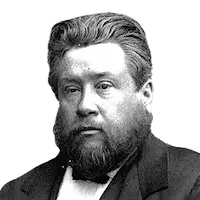
Charles Spurgeon Commentary
Isaiah 55:1
SCRIPTURE
"Ho, every one that thirsteth, come ye to the waters, and he that hath no money; come ye, buy, and eat; yea, come, buy wine and milk without money and without price." — Isaiah 55:1 (ASV)
Ho, every one that thirsteth, come ye to the waters, and he that hath no money; come ye, buy, and eat; yea, come, buy wine and milk without money and without price.
See the freeness of divine love! See how God who knows the wants of souls, provides all things necessary for them: water—the water of life; and as if that were not enough, the wine of joy, the milk of satisfaction; and he offers these freely. But, mark, there is no gain for him: the gain is for ourselves, for he says, "He that hath no money, buy wine and milk without money and without price."
All that you want, dear friend, God is ready to give you. Do you want these good things? Then come and welcome. It is God who invites you to come.
Ho, every one that thirsteth, come ye to the waters, and he that hath no money; come ye, buy, and eat; yea, come, buy wine and milk without money and without price.
The description of gospel blessings grows sweeter as it advances. "Waters" first, "wine and milk" next, and still all "without money and without price."
Ho, every one that thirsteth, come ye to the waters—
To the waters which flowed from that smitten Rock of which we have been reading.
Ho, every one that thirsteth, come ye to the waters, and he that hath no money; come ye, buy, and eat: yea, come, buy wine and milk without money and without price.
Remark the wonderful condescension of God, that though the gifts of his grace are so precious that all the world could not buy them, yet he condescends to ask his creature to receive those gifts. He stands, as it were, like one who has goods to sell, and he cries, "Ho!
Any passer-by, turn here: pay attention. Ho!
everyone that thirsteth." If, then, there is any soul that wants God, O soul, God desires you infinitely more than you desire him; and he invites you to come to him. Do not delay.
Ho, every one that thirsteth, come ye to the waters, and he that hath no money; come ye, buy, and eat; yea, come, buy wine and milk without money and without price.
"Ho, ... come ye to the waters, ... to buy wine," says the Lord by His servant the prophet. It is just as it was at the wedding feast at Cana, when the servants went to the water pots and found them full of wine. God often gives us more than we even think we need.
Water would suffice to quench our thirst, but the Lord adds, Come, buy wine and milk without money and without price. Wine and milk were among the blessings that old Jacob pronounced upon Judah, and they are symbolic of the special blessings which come to believers through Jesus Christ, who is our true Judah. He gives us joy, He gives us nourishment, He gives us everything we really need.
Whatever you lack, you will find it in Christ; you have nothing to do but to come for it. You have no money; but even if you had, the blessings are priceless—they cannot be purchased. The price of mercy is without price.
This is all you have to do in order to receive it: come and take it, take it freely, come and take it now. Never did a salesman plead with a customer more earnestly than the Spirit of God here pleads with sinners, yet it is not God who is to be profited by the transaction.
He gains nothing except the indulgence of His love; we are the eternal gainers by His gracious gift. Yet the Lord says, Come ye, and then again, Come ye, and then a third time, Come. When He says, "Come, come, come," who will refuse to come?
Ho, every one that thirsteth, come ye to the waters, and he that hath no money; come ye, buy, and eat; yea, come, buy wine and milk without money and without price.
Let no one ask whether he may come to Christ for salvation; he is invited to come. Whoever desires to come is welcome.
Ho! says God, as people cry when they have goods to sell and would attract the passer-by. He does not speak merely to one, but to everyone: Ho, every one that thirsteth,—whatever the age they live in, and to whatever age they may themselves have attained—Ho, every one that thirsteth.
But is there anything to be gained by those who do come? There is in God exactly what every soul needs; first, waters for the thirsty.
There is even more than absolute necessities: wine and milk; God has an abundance of grace, indeed, a superabundance. He can give us all we need, and even more than we desire. Oh, do not turn away when God the Father cries, Ho!
Ho, every one that thirsteth, come ye to the waters, and he that hath no money; come ye, buy, and eat; yea, come, buy wine and milk without money and without price.
See the freeness of divine love! See how God, who knows the needs of souls, provides all things necessary for them—water, the water of life; and as if that were not enough, the wine of joy, the milk of satisfaction—and He offers these freely.
Indeed, He stands like a salesman crying in the market, and cries, “Ho! ho! every one that thirsteth!” But, mark, there is no gain for Him; the gain is for ourselves, for He says, “He that hath no money, buy wine and milk without money and without price.”
All that you need, dear friend, God is ready to give you. Indeed, He invites you to come and receive it, and presses upon you the good things of the covenant of grace. Why do you hold back? Do you want these good things? Then, come and welcome. It is God who invites you to come.
Ho, every one that thirsteth, come ye to the waters, and he that hath no money; come ye, buy, and eat; yea, come, buy wine and milk without money and without price.
The description of gospel blessings grows sweeter as it advances. Waters first, wine and milk next, and still all without money and without price. We preach no narrow salvation: we rejoice in the covenant of grace; it is the backbone of our theology, but the gospel has wide arms, and a loud voice, and persuasive tones: Ho, every one that thirsteth, come ye to the waters.
In Christ there is a full supply for all our necessities—bread and water. Indeed, there are luxuries sufficient for our largest desires—wine and milk—and he wants us to bring nothing in payment for them: without money and without price. That is indeed free grace.
Some people object to that expression, and say that it is tautology, because grace must be free; but we mean to keep on using it so that all may know that grace is free, gratis, all for nothing.
Ho every one that thirsteth, come ye to the waters,
This invitation is not given to you who are full, to you who can satisfy your own needs out of the buckets of your own righteousness. No, the prophet speaks to you thirsty ones, who feel a terrible necessity which will not let you rest. Hunger you may appease; but thirst is terrible, none can bear its pangs long. Ho, every one that thirsteth. Whatever your age, sex, character, rank, or position in life, if you but thirst, then the gospel stands with uplifted finger, and cries to you, "Ho!" as do merchants and traders who want to dispose of their wares.
And he that hath no money; come ye, buy, and eat; yea, come, buy wine and milk without money and without price.
In the Lord Jesus Christ there is all you want, and more than you know that you want. Currently, you only thirst, but here is bread for your hunger as well as drink for your thirst. Whereas waters might seem to satisfy your thirst, here is a superfluity of grace, an exceeding abundance of mercy: Come, buy wine and milk without money and without price.
Christ is as free as the air. As you only have to take in the air by breathing in order to live by it, so you only have to receive Christ into your soul, and you live by him. As flows old Father Thames through the green meadows, and every dog may come and lap, and every ox may stand knee-deep in the stream, for there is no one to keep even an animal away, so it is with Christ: Come, buy wine and milk without money and without price.
Ho, every one that thirsteth, (Isaiah 55:1).
God desires the attention of sinners; He calls for it. Are sinners not eager for God? Oh, no! It is God who is eager for sinners, and so He calls, "Ho!"
People pass by with their ears full of the world's tumult, and God calls, again and again, "Ho! Ho!" Whether you are rich or poor, learned or illiterate, if you are in need, and especially if you feel your need, Ho, every one that thirsteth,.
Come you to the waters,
There are, only in one place, waters that can quench your thirst; and God calls you that way: Come you to the waters.
And he that hath no money;
Water is a thing that is sold, not given away, in the East; and he who needs it, must buy it. But he who buys from God has nothing to pay: He that hath no money.
Come you, buy, and eat; yes, come, buy wine and milk without money and without price.
See how God's good things grow as we look at them. The first invitation was, Come you to the waters; the next was, Eat; but this one speaks of wine and milk. Our first idea of the gospel is very simple: it is water for our thirst. Soon we find that it is food for our hunger. Then we discover it to be wine for our delight, and milk for our perpetual sustenance. There is everything in Christ; and you need him. Come and have him. There is no other preparation needed but that you feel your need of him.
"This he gives you;
It is his Spirit's rising beam."
What a cheering verse this is to begin with!
Ho, every one that thirsteth come ye to the waters, and he that hath no money; come ye, buy, and eat; yea, come, buy wine and milk without money and without price.
Oh, the freeness of Gospel provisions; and, at the same time, their fullness, their plenty, their variety, their sufficiency! Here is a mention of wine and milk. It is not enough for the Lord to bid us come to the waters, but he invites us to partake of the choicest luxuries upon which the soul can be fed; he calls us to be filled even to the full, and to accept everything for nothing: without money and without price.