
Charles Spurgeon Commentary Job 33
Charles Spurgeon Commentary
Job 33
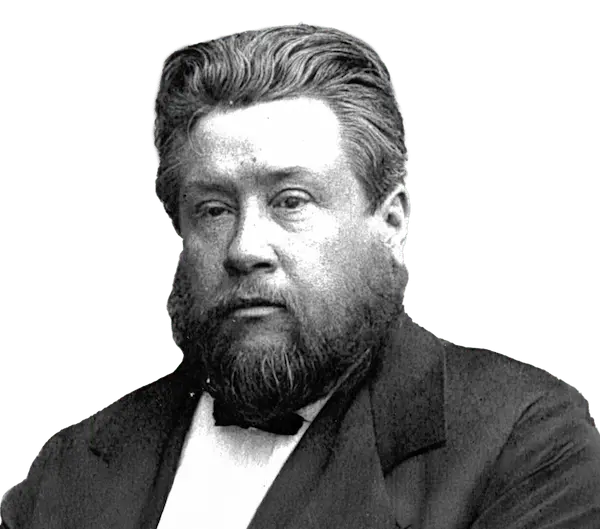
Charles Spurgeon Commentary
Job 33
"Howbeit, Job, I pray thee, hear my speech, And hearken to all my words." — Job 33:1 (ASV)
"I am only a young man, but I speak because I cannot keep silent.
"An impulse moves me; I am like a vessel needing an outlet. I desire to speak impartially; therefore, hear me, but hear all that I have to say. Do not listen merely here and there to a part of my speech, but listen to all my words."
Sometimes, it is very necessary to urge our hearers not to seize upon only one sentence, or even one sentiment. "Hear my speeches, and listen to all my words," for there is a proportion in truth, and one truth has to be balanced with all the others.
A statement may be all the better for being unguarded, more forceful because it stands alone; and yet it may need another statement to be heard with it, so that it is not misunderstood. Therefore, the preacher also says to his hearer, "I ask you, hear my speeches, and listen to all my words."
"Behold now, I have opened my mouth; My tongue hath spoken in my mouth." — Job 33:2 (ASV)
That is to say, "I speak with much solemnity, not as one who chatters without sense, or without due consideration, but I have opened my mouth deliberately, as one who has something to say; and I speak with my best powers of speech, as one who wishes to persuade those who hear him."
"My words [shall utter] the uprightness of my heart; And that which my lips know they shall speak sincerely." — Job 33:3 (ASV)
What a lesson this is to those of us who preach to others—that we speak out of the uprightness of our heart, and feel that, however others may judge us, we are sincere before God in what we say!
How necessary it is also, especially in these days, that we should speak plainly, so as to be easily understood! Some men never think clearly, and therefore they never speak clearly; and often, the darkness of a man's speech is only the result of the darkness of his mind; he has no clearly-defined notion of what he has to say. Let every young man who has to teach others resolve that this utterance of Elihu shall also be his: My lips shall utter knowledge clearly.
"The Spirit of God hath made me, And the breath of the Almighty giveth me life." — Job 33:4 (ASV)
That is to say, "I am as much the creature of God as these three old gentlemen are, these three wise friends who have spoken so tartly. I am as much endowed with the Spirit of God as you are, O Job, and therefore I speak to you in his name." Should not this be a lesson to every one of us to try and do all that we can for God?
Every Christian may say, "'The Spirit of God hath made me, and the breath of the Almighty hath given me life.' Therefore let me use my very existence, the life that is breathed into me, for that Almighty Creator who has made me what I am."
"If thou canst, answer thou me; Set [thy words] in order before me, stand forth." — Job 33:5 (ASV)
He who speaks reason is ready to hear reason. It is only the unreasonable talker who will not allow others to have a word to say in reply. "If thou canst answer me," says Elihu to Job, "set thy words in order before me, stand up."
Jump to: