
Charles Spurgeon Commentary John 17
Charles Spurgeon Commentary
John 17
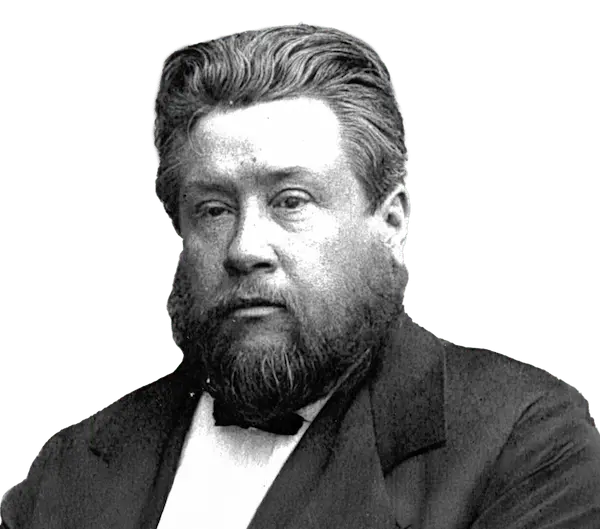
Charles Spurgeon Commentary
John 17
"These things spake Jesus; and lifting up his eyes to heaven, he said, Father, the hour is come; glorify thy Son, that the son may glorify thee:" — John 17:1 (ASV)
These words spoke Jesus, and lifted up his eyes to heaven, and said, Father, the hour is come;
That tremendous hour which was the very hinge of history, — that hour in which he must suffer, and bleed, and die, to pay up the ransom price for his people: Father, the hour is come;
Glorify thy Son, that thy Son also may glorify thee:
In the endurance of the cross, there was a mutual glorification. It was the time of the Saviour's humiliation, and yet, in a certain sense, he was never so glorious as when he died upon the tree. Then, too, he glorified his Father, vindicating divine justice, and manifesting divine love.
"These things spake Jesus; and lifting up his eyes to heaven, he said, Father, the hour is come; glorify thy Son, that the son may glorify thee:" — John 17:1 (ASV)
These words spoke Jesus, and lifted up his eyes to heaven.
Not his hands, as we do who are poor suppliants; but his eyes, indicating where his thoughts went. He lifted up his eyes to heaven.
And said, Father, the hour is come; glorify your Son, that your Son also may glorify you.
No mere man would have dared to pray such a prayer as this.
Jesus asks that he may be glorified by his Father so that he also may glorify his Father. He put the two things together: Father, glorify your Son, that your Son also may glorify you. This is not a plea that is fit for merely human lips. It is Jesus the Son of God who, in receiving glory from his Father, is also able to return it to his Father.
"These things spake Jesus; and lifting up his eyes to heaven, he said, Father, the hour is come; glorify thy Son, that the son may glorify thee:" — John 17:1 (ASV)
These words spake Jesus, and lifted up his eyes to heaven, and said, Father, the hour is come; glorify thy Son, that thy Son also may glorify thee:
Christ's great intercessory prayer begins with his appeal to his Father to glorify his Son. Christ knew all that he would have to suffer during that "hour" to which he had looked forward from eternity, but his eye could see, beyond the cross with all its shame, the crown with all its glory. The Son being glorified, he would also glorify his Father, and there is a wondrous glory that comes to the Father through the death of his Son upon the cross.
"These things spake Jesus; and lifting up his eyes to heaven, he said, Father, the hour is come; glorify thy Son, that the son may glorify thee:" — John 17:1 (ASV)
These words spoke Jesus, and lifted up His eyes to heaven, and said, Father, the hour is come;
This is in a very special sense our Lord's prayer. What a word that is from the lips of Jesus, Father! This was the night of His deepest sorrow and His heaviest woe, but He begins His prayer with this tender expression, Father, the hour is come; the hour of darkness, the hour of His passion and death, had now arrived.
Glorify your Son, that your Son also may glorify you:
Did Jesus look upon his suffering as his glory? He does not merely pray, "Sustain your Son," but, "Glorify your Son." In truth, our Lord's lowest stoop was his highest glory.
He was never more resplendent than when he hung upon the cross, which was his true spiritual throne, so he prayed, "Glorify your Son," — "Enable him to bear the agony, and to pass through it to the glory." "That your Son also may glorify you."
The death of Christ was a great glorifying of God. We see his love and his justice rendered more glorious in the death of Christ than they would have been by any other method.
"These things spake Jesus; and lifting up his eyes to heaven, he said, Father, the hour is come; glorify thy Son, that the son may glorify thee: even as thou gavest him authority over all flesh, that to all whom thou hast given him, he should give eternal life." — John 17:1-2 (ASV)
These words spake Jesus, and lifted up his eyes to heaven, and said, Father, the hour is come; glorify thy Son, that thy Son also may glorify thee: as thou hast given him power over all flesh, that he should give eternal life to as many as thou hast given him.
Here the doctrines of a general and a particular redemption sweetly blend As thou hast given him power over all flesh, they are all under Christ's mediatorial government by virtue of his matchless sacrifice; but the object in view is specially the gift of everlasting life to the chosen people: that he should give eternal life to as many as thou hast given him.
Jump to: