
Charles Spurgeon Commentary John 6
Charles Spurgeon Commentary
John 6
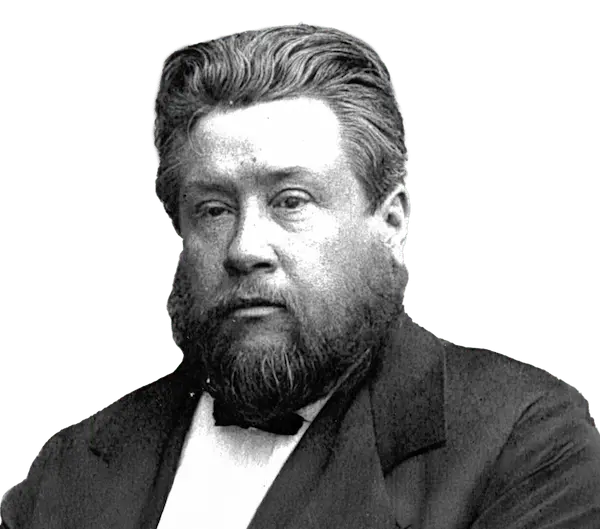
Charles Spurgeon Commentary
John 6
Commentary Groups
This author has written multiple commentaries over their lifetime on this chapter. We have grouped their commentaries for easier reading."After these things Jesus went away to the other side of the sea of Galilee, which is [the sea] of Tiberias. And a great multitude followed him, because they beheld the signs which he did on them that were sick. And Jesus went up into the mountain, and there he sat with his disciples. Now the passover, the feast of the Jews, was at hand. Jesus therefore lifting up his eyes, and seeing that a great multitude cometh unto him, saith unto Philip, Whence are we to buy bread, that these may eat? And this he said to prove him: for he himself knew what he would do." — John 6:1-6 (ASV)
After these things Jesus went over the Sea of Galilee, which is the sea of Tiberias. And a great multitude followed him, because they saw his miracles which he did on them that were diseased. And Jesus went up into a mountain, and there he sat with his disciples.
And the passover, a feast of the Jews, was nigh. When Jesus then lifted up his eyes, and saw a great company come unto him, he saith unto Philip, Whence shall we buy bread, that these may eat? And this he said to prove him: for he himself knew what he would do.
That verse is worth thinking over. How often does Christ seem to ask us riddles, and place us in difficulties, so that we begin to say, "What will come of this? How shall we escape from this temptation; or how shall we stand under this trial?" He himself knows what he will do; and it is a very blessed thing when our faith, being tried, shows itself to be strong enough to leave the burden with him who can bear it, and to leave the difficulty with him who can meet it: "He himself knew what he would do."
"After these things Jesus went away to the other side of the sea of Galilee, which is [the sea] of Tiberias. And a great multitude followed him, because they beheld the signs which he did on them that were sick." — John 6:1-2 (ASV)
After these things Jesus went over the sea of Galilee, which is the sea of Tiberias. And a great multitude followed him, because they saw his miracles which he did on them that were diseased.
Many of them were spectacle-seekers, wanting to see more wonders performed; others of them were sick themselves, and anxious to be healed.
Wherever Jesus went, a throng went with him.
"After these things Jesus went away to the other side of the sea of Galilee, which is [the sea] of Tiberias. And a great multitude followed him, because they beheld the signs which he did on them that were sick. And Jesus went up into the mountain, and there he sat with his disciples. Now the passover, the feast of the Jews, was at hand. Jesus therefore lifting up his eyes, and seeing that a great multitude cometh unto him, saith unto Philip, Whence are we to buy bread, that these may eat?" — John 6:1-5 (ASV)
After these things Jesus went over the sea of Galilee, which is the sea of Tiberias. And a great multitude followed him, because they saw his miracles which he did on those who were diseased. And Jesus went up into a mountain, and there he sat with his disciples.
And the Passover, a feast of the Jews, was near. When Jesus then lifted up his eyes, and saw a great company come to him,
They had been hearing him all day, and he had withdrawn a little from them, but they pursued him up the hill, and I do not doubt that as they toiled up the hill, they showed their faintness and their weariness, which led the Saviour to see how much they needed refreshment.
"And Jesus went up into the mountain, and there he sat with his disciples." — John 6:3 (ASV)
And Jesus went up into a mountain, and there he sat with his disciples.
That was his frequent posture when his disciples were gathered around him. He sat at his ease and talked to his hearers. He was not very demonstrative in his oratory, but spoke calmly and quietly, and left the truth to find its own way into the minds and hearts of men.
"Now the passover, the feast of the Jews, was at hand. Jesus therefore lifting up his eyes, and seeing that a great multitude cometh unto him, saith unto Philip, Whence are we to buy bread, that these may eat?" — John 6:4-5 (ASV)
And the Passover, a feast of the Jews, was nigh. When Jesus then lifted up his eyes, and saw a great company come unto him, he saith unto Philip, Whence shall we buy bread, that these may eat?
They were in a lonely place out in the wilderness, where the people had no means of obtaining food, and Jesus knew that they would soon be faint with hunger, so he consulted with Philip about what was to be done. It is great kindness and condescension on our Lord's part to consult with his followers; he often did it, not because he needed their advice or help, but because they needed to be taught how to think and how to act for the good of others.
Jump to: