
Charles Spurgeon Commentary John 6:38-41
Charles Spurgeon Commentary
John 6:38-41
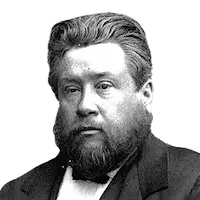
Charles Spurgeon Commentary
John 6:38-41
SCRIPTURE
"For I am come down from heaven, not to do mine own will, but the will of him that sent me. And this is the will of him that sent me, that of all that which he hath given me I should lose nothing, but should raise it up at the last day. For this is the will of my Father, that every one that beholdeth the Son, and believeth on him, should have eternal life; and I will raise him up at the last day. The Jews therefore murmured concerning him, because he said, I am the bread which came down out of heaven." — John 6:38-41 (ASV)
For I came down from heaven, not to do my own will, but the will of him who sent me. And this is the Father's will who has sent me, that of all which he has given me I should lose nothing, but should raise it up again at the last day. And this is the will of him who sent me, that everyone who sees the Son, and believes on him, may have everlasting life: and I will raise him up at the last day. The Jews then murmured at him, because he said, I am the bread which came down from heaven.
And there you see Christ made no further progress with them, but to leave them murmuring. And I believe that often the tame minister of God must expect to see no other result come from faithful testimony than for the people to murmur at him. But what if it is so? Will his Master blame him? No. No more than he blamed the Only Begotten.
It must be so that there may be a separation between the precious and the vile – that God's chosen may be drawn out; while those who do not believe shall be judged, and, in their own consciences, shall be condemned.