
Charles Spurgeon Commentary John 8
Charles Spurgeon Commentary
John 8
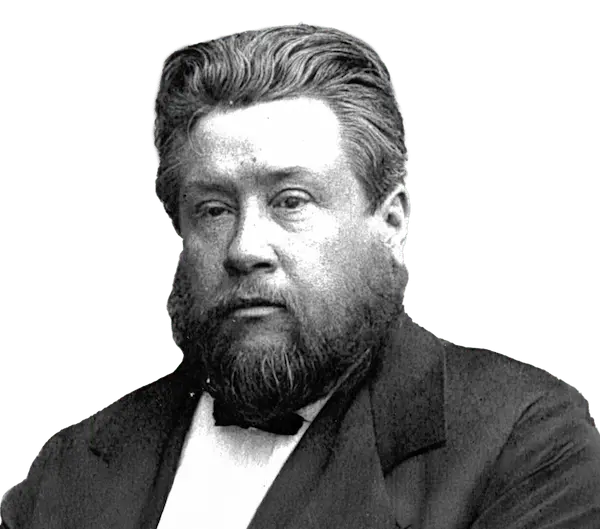
Charles Spurgeon Commentary
John 8
"but Jesus went unto the mount of Olives. And early in the morning he came again into the temple, and all the people came unto him; and he sat down, and taught them. And the scribes and the Pharisees bring a woman taken in adultery; and having set her in the midst," — John 8:1-3 (ASV)
And as Jesus passed by, he saw a man which was blind from his birth. And his disciples asked him, saying, Master, who did sin, this man, or his parents, that he was born blind? Jesus answered, Neither hath this man sinned, nor his parents:
That is, the sin of the man or of his parents was not the cause of his being blind.
"And the scribes and the Pharisees bring a woman taken in adultery; and having set her in the midst," — John 8:3 (ASV)
But that the works of God should be made manifest in him.
What a very blessed way of looking at evil—as an opportunity for God to manifest the power of his works of grace by getting rid of it! I wish that everyone here would look upon the evil within his own heart in this very hopeful light, and say, "There is something in me for God to conquer. There is some spiritual disease in me for the great Physician to heal. There is space in my poor soul for the Lord himself to work some miracle of mercy."
"they say unto him, Teacher, this woman hath been taken in adultery, in the very act. Now in the law Moses commanded us to stone such: what then sayest thou of her? And this they said, trying him, that they might have [whereof] to accuse him. But Jesus stooped down, and with his finger wrote on the ground. But when they continued asking him, he lifted up himself, and said unto them, He that is without sin among you, let him first cast a stone at her." — John 8:4-7 (ASV)
I must work the works of him that sent me, while it is day: the night cometh, when no man can work. As long as I am in the world, I am the light of the world. When he had thus spoken, he spat on the ground, and made clay of the spittle, and he anointed the eyes of the blind man with the clay, and said unto him, Go, wash in the pool of Siloam, (which is by interpretation, Sent.) He went his way therefore, and washed, and came seeing.
You notice, brothers, that the disciples wanted to know how the man became blind, but Christ removed his blindness and gave him sight. I have known a great many people puzzle themselves about the origin of evil. Christ did not come to explain that mystery; He came to put an end to evil. That is an infinitely more practical objective than speculating about how evil first entered the world, or how it entered any individual soul. He will tell you how to get rid of it.
What a blessed way of healing Christ used! He could have spoken, and the man's eyes would have opened at once. He who said, Let there be light, and there was light, in the first creation, could have said the same thing to this blind man, and light would at once have entered his eyes.
Instead of that, He chose to use means, and the means did not appear to be very likely to effect the cure. Jesus covered the man's eyes with clay and told him to go and wash it off again. Is this the way to give him sight? Yes, our Lord often uses means that seem very unlikely to accomplish His purpose. But He always uses the right means.
Often, when He is going to open a person's eyes spiritually, He first makes them feel more blind than they ever were before in their life. A sense of deeper darkness hangs over them just before the dawn of eternal day. Perhaps, even this very hour, some words of mine, human and imperfect as they must be, may, nevertheless, have the truth in them, just as the clay was made efficacious by the spittle from the Savior's blessed mouth; and if so, healing work will be accomplished among blind hearts tonight.
God grant that it may be so!
"And again he stooped down, and with his finger wrote on the ground. And they, when they heard it, went out one by one, beginning from the eldest, [even] unto the last: and Jesus was left alone, and the woman, where she was, in the midst." — John 8:8-9 (ASV)
The neighbours therefore, and they which before had seen him that he was blind, said, Is not this he that sat and begged? Some said, This is he; others said, He is like him: but he said, I am he.
There is an end to all question about the matter; he says, "I am the very man." No one knew this better than he did, and therefore he was the one to say it.
"And Jesus lifted up himself, and said unto her, Woman, where are they? did no man condemn thee? And she said, No man, Lord. And Jesus said, Neither do I condemn thee: go thy way; from henceforth sin no more." — John 8:10-11 (ASV)
Therefore said they to him, How were your eyes opened?
He answered and said, A man that is called Jesus made clay, and anointed my eyes, and said to me, Go to the pool of Siloam, and wash: and I went and washed, and I received sight.
A very plain story, very well told. It is the story of every soul that receives the eternal light. "Christ told me to believe in him; I did believe in him; and I received the blessing." There are not many incidents in the narrative, and there is nothing very romantic; but it is a simple and plain declaration of what Christ had done for him; and, blessed be God, just as sight was given to the blind man, Christ still gives salvation to all who trust him.
"There is life for a look at the Crucified One;
There is life at this moment for you;
Then look, sinner,–look to him, and be saved,–
To him who was nailed to the tree.
It is not your tears of repentance or prayers,
But the blood that atones for the soul:
On him, then, who shed it, believing at once,
Your weight of iniquities roll.
But take, with rejoicing, from Jesus at once
The life everlasting he gives:
And know, with assurance, you can never die,
Since Jesus, your righteousness, lives."
Jump to: