
Charles Spurgeon Commentary John 9
Charles Spurgeon Commentary
John 9
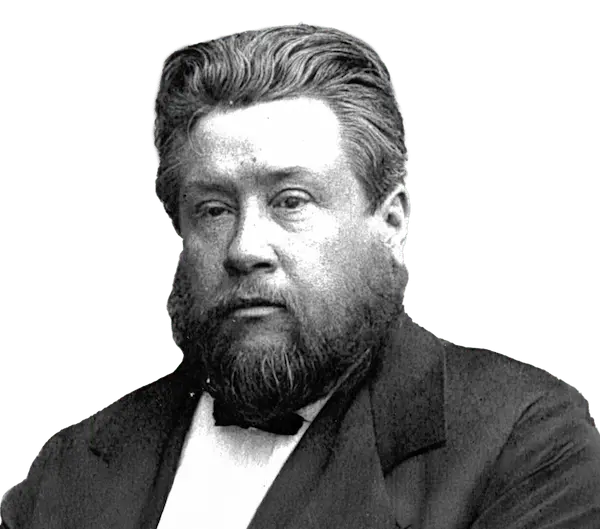
Charles Spurgeon Commentary
John 9
"And as he passed by, he saw a man blind from his birth." — John 9:1 (ASV)
And as Jesus passed by, he saw a man which was blind from his birth.
Therefore, the man could not see Jesus, but the more important matter was that Christ could see the blind man. And you, dear heart, may not yet have learned to look on Christ, but he can look on you in your blindness, and a look from him will speedily work a wondrous change in you.
"And as he passed by, he saw a man blind from his birth." — John 9:1 (ASV)
And as Jesus passed by, he saw a man which was blind from his birth.
The man could not see Jesus, but sight came to the man from Jesus. If there are any here who cannot look to Christ as yet, our prayer is that he may look on them as he looked on this blind man.
"And as he passed by, he saw a man blind from his birth. And his disciples asked him, saying, Rabbi, who sinned, this man, or his parents, that he should be born blind?" — John 9:1-2 (ASV)
And as Jesus passed by, he saw a man which was blind from his birth, And his disciples asked him, saying, Master, who did sin, this man, or his parents, that he was born blind?
The procedure of these disciples is very much like that of many people in these days; they are much more ready to ask questions about sufferers than they are to sympathize with them.
If the hearts of the disciples had been in a right condition when they saw this blind man, they would have said, "Lord, cannot this poor man's eyes be opened?" But, instead of risking like that, they were full of idle curiosity, which prompted them to raise metaphysical difficulties, and to ask foolish questions.
So they wanted to know how it was that the man came to be born blind. Was it in consequence of some sin on the part of his parents, or through some sin of his own in a previous state of existence (for some of them seem to have had even that foolish notion), or was it because of some sin of his, which God foresaw that he would commit, and therefore laid this affliction upon him from the hour of his birth?
"And as he passed by, he saw a man blind from his birth. And his disciples asked him, saying, Rabbi, who sinned, this man, or his parents, that he should be born blind?" — John 9:1-2 (ASV)
And as Jesus passed by, he saw a man which was blind from his birth. And his disciples asked him, saying, Master, who did sin, this man, or his parents, that he was born blind?
Christ's disciples were often inquisitive even when their Master was intent on demonstrating his practical benevolence. Fools may sometimes ask questions which wise men may not think it proper to answer; but on this occasion, our Saviour gave an answer to the inquiry which his disciples had put to him.
"And as he passed by, he saw a man blind from his birth. And his disciples asked him, saying, Rabbi, who sinned, this man, or his parents, that he should be born blind? Jesus answered, Neither did this man sin, nor his parents: but that the works of God should be made manifest in him." — John 9:1-3 (ASV)
And as Jesus passed by he saw a man which was blind from his birth. And his disciples asked him, saying, Master, who did sin, this man, or his parents, that he was born blind? Jesus answered Neither hath this man sinned, nor his parents: but that the works of God should be made manifest in him.
We are not to look upon such afflictions as any indication of special sin on the part of either the person or the parent. Of course, sin lies at the root of all our suffering as a stark generic fact, but not in such a way that we may attribute such an affliction to any one sin. The disciples, you see, dear friends, are thinking about difficult problems. Their Master is thinking about how, practically, to meet the difficulty, and to this day there are a large number of Christians, professors, and even ministers, who occupy their time with questions which really are to no profit. If they could be answered, nobody would be holier or better.
What does it matter to us what is the origin of evil? It is far more important to drive out the evil than it is to find out how it came in. Very frequently, you know, after a terrible calamity or accident occurs, we hold an inquiry into how it was caused, and then we think the matter is all attended to. It would have been better, perhaps, to have held an inquiry before it happened, as to how it could have been prevented.
Our Lord has that wisdom—that practicality. He begins to deal with the evil rather than to raise questions about it. Yes, and He sees in that evil a good coming out of it. He says that this man was blind, that the works of God might be made manifest in him.
Jump to: