
Charles Spurgeon Commentary Jonah 1
Charles Spurgeon Commentary
Jonah 1
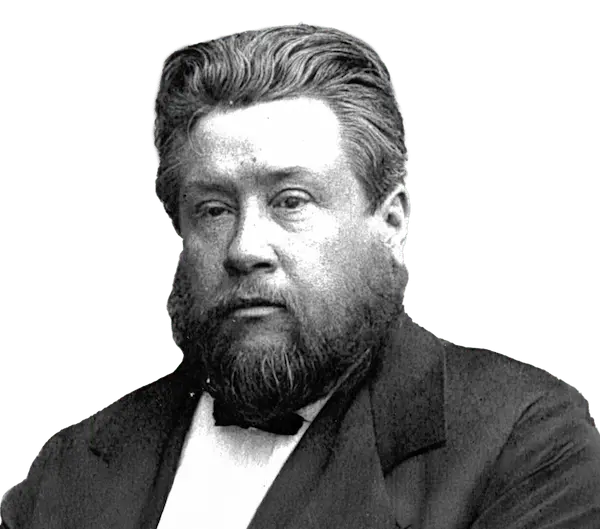
Charles Spurgeon Commentary
Jonah 1
"Now the word of Jehovah came unto Jonah the son of Amittai, saying, Arise, go to Nineveh, that great city, and cry against it; for their wickedness is come up before me. But Jonah rose up to flee unto Tarshish from the presence of Jehovah; and he went down to Joppa, and found a ship going to Tarshish: so he paid the fare thereof, and went down into it, to go with them unto Tarshish from the presence of Jehovah." — Jonah 1:1-3 (ASV)
Observe the misconduct of the prophet Jonah. He had a plain command from the Lord, and he knew it to be a command; but he felt that the commission given to him would not be pleasant and honoring to himself, and therefore he declined to comply with it.
We see, from his action, how some, who really know God, may act as if they did not know him. Jonah knew that God was everywhere, yet he rose up to flee unto Tarshish from the presence of the Lord.
What strange inconsistencies there often are even in good men!
Here is one, who is favored with a divine commission—one who knows God, and fears him; yet, for all that, he ventures on the fool's errand of endeavoring to escape from the Omnipresent. He went down to Joppa, which was the port of his country, and he found a ship going to Tarshish.
Learn from this that providence alone is not a sufficient guide for our actions. He may have said, "It was very remarkable that there was a ship there going to Tarshish, just when I reached the port. I gather from this that God was not so very unwilling for me to go to Tarshish."
Precepts, not providences, are to guide believers; and when Christian men quote a providence against a precept—which is to set God against God—they act most strangely. There are devil's providences as well as divine providences, and there are tempting providences as well as assisting providences, so learn to judge between the one and the other.
"But Jehovah sent out a great wind upon the sea, and there was a mighty tempest on the sea, so that the ship was like to be broken." — Jonah 1:4 (ASV)
Learn from this that "Omnipotence has servants everywhere." The Lord is never short of sheriff's officers to arrest his fugitives, and on that occasion he sent out a great wind into the sea.
The wind bloweth where it listeth. That is true, but it is also true that the wind blows where God lists, and he knew how to send that great wind to that particular ship.
No doubt many ships were on the Mediterranean at that time, but possibly the storm was sent to none of them except to the one which carried Jonah son of Amittai.
We say, "Every bullet has its billet," and this great wind was sent to pursue the fugitive prophet.
"Then the mariners were afraid, and cried every man unto his god; and they cast forth the wares that were in the ship into the sea, to lighten it unto them. But Jonah was gone down into the innermost parts of the ship; and he lay, and was fast asleep." — Jonah 1:5 (ASV)
Then the mariners were afraid, and cried every man unto his god,—
If there is ever a special time for prayer, it is a time of need.
Nature then seems to compel men to utter prayer of such a sort as it is, for it is but nature's prayer at the best: The mariners were afraid, and cried every man unto his god,—
And cast forth the wares that were in the ship into the sea, to lighten it of them.
Life is precious, and a man will give up everything else in order to save it.
Satan spoke the truth when he said, Skin for skin, yea, all that a man hath, will he give for his life.
From the action of these mariners, we may learn that sometimes we may lighten our ship for the safety of our souls. When we have less to carry, we will probably sail more safely. Losses and crosses may turn out to be our greatest gains. Let the ill-gotten ingots go to the bottom of the sea; and see, the ship rights herself at once!
But Jonah was gone down into the sides of the ship; and he lay, and was fast asleep (Jonah 1:5).
The greatest sinner on that ship appeared to be the least concerned about the storm which had come because of him; he did not even seem to know that there was a storm, for he had gone down into the sides of the ship; and he lay, and was fast asleep.
"So the shipmaster came to him, and said unto him, What meanest thou, O sleeper? arise, call upon thy God, if so be that God will think upon us, that we perish not." — Jonah 1:6 (ASV)
It is hard when sinners have to rebuke saints, and when an uncircumcised Gentile can address a prophet of God in language like this.
"And they said every one to his fellow, Come, and let us cast lots, that we may know for whose cause this evil is upon us. So they cast lots, and the lot fell upon Jonah." — Jonah 1:7 (ASV)
We do not commend the action of these men in casting lots, but we admire the providence by which the lot fell upon Jonah. Solomon says, The lot is cast into the lap, but he did not say that it was right that lots should be cast into the lap; and he very properly added, but the whole disposing thereof is of the Lord.
Jump to: