
Charles Spurgeon Commentary Jonah 4
Charles Spurgeon Commentary
Jonah 4
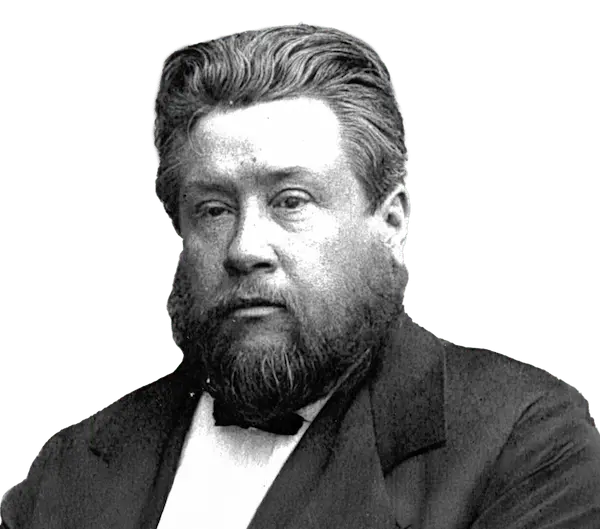
Charles Spurgeon Commentary
Jonah 4
Commentary Groups
This author has written multiple commentaries over their lifetime on this chapter. We have grouped their commentaries for easier reading."But it displeased Jonah exceedingly, and he was angry. And he prayed unto Jehovah, and said, I pray thee, O Jehovah, was not this my saying, when I was yet in my country? Therefore I hasted to flee unto Tarshish; for I knew that thou art a gracious God, and merciful, slow to anger, and abundant in lovingkindness, and repentest thee of the evil. Therefore now, O Jehovah, take, I beseech thee, my life from me; for it is better for me to die than to live." — Jonah 4:1-3 (ASV)
But it displeased Jonah exceedingly, and he was very angry.
And he prayed unto the Lord, and said, I pray thee, O LORD, was not this my saying, when I was yet in my country? Therefore I fled before unto Tarshish: for I knew that thou art a gracious God and merciful, slow to anger, and of great kindness, and repentest thee of the evil. Therefore now, O Lord, take, I beseech thee, my life from me; for it is better for me to die than to live.
"For, if I live, the Ninevites will say, 'This man scared us needlessly. He is a prophet of evil, and he is a liar, too, for our great city is not destroyed. He frightened us into a kind of repentance for which there was no necessity, for his God does not carry out his threats,'" and so on. And poor Jonah could not face such talk as that. But, brother, if you preach God's Word as he gives it to you, you have nothing to do with the consequences that arise from it.
God will justify his own truth; and even if it should seem that the worst rather than the best consequences result, it is for you still to go on in the name of him who sent you.
Whenever you and I begin to try to manage God's kingdom for him, we find the divine scepter too heavy for our little hands to hold; our case would be like that of Phaeton trying to drive the horses in the chariot of the sun. We cannot hold the reins of the universe. And poor Jonah, wanting to manage everything for God, makes a dreadful mess of it, and in his anger makes a very foolish request: O Lord, take, I beseech thee, my life from me.
"And Jehovah said, Doest thou well to be angry?" — Jonah 4:4 (ASV)
Then said the LORD, Do you do well to be angry?
How kind of God to speak so gently to his rebellious servant.
Are any of you given to anger? Might not the Lord say to you, "Do you do well to be angry, so soon—so often—so long—about such little things?"
"Then Jonah went out of the city, and sat on the east side of the city, and there made him a booth, and sat under it in the shade, till he might see what would become of the city." — Jonah 4:5 (ASV)
So Jonah went out of the city, –
When, no doubt, everybody would have been willing to entertain him, for all, even to the king, must have felt a deep respect for the messenger who had brought them to their knees before the Lord: Jonah went out of the city, –
And sat on the east side of the city, and there made him a booth, and sat under it in the shadow, till he might see what would become of the city.
To see those forty days out; half hoping, perhaps, that there would come an earthquake, to shake the city down; and then, under his little booth of boughs, he would not be hurt by the failing edifices. In as sulky and surly a spirit as he could be, he put himself to great inconveniences. The damp of the night fell on him, and the heat of the sun would soon wither up the branches.
If, dear friends, like Jonah, you want to complain, you will soon have something to complain of. People who are resolved to fret, generally make for themselves causes for fretfulness.
"But it displeased Jonah exceedingly, and he was angry." — Jonah 4:1 (ASV)
But it displeased Jonah exceedingly, and he was very angry.
A fine prophet this was! Jonah was a man of a somewhat difficult disposition, yet I think he has been misunderstood. He was the true spiritual child of Elijah, the prophet of fire. Elijah was a rough, stern servant of the Lord, who felt that the indignities done to Jehovah deserved instant and terrible punishment. He seemed almost to wish to see that punishment inflicted, as he accused the people to God, saying, the children of Israel have forsaken thy covenant, thrown down thine altars, and slain thy prophets with the sword; and I, even I only, am left; and they seek my life, to take it away. He was bravely stern for God, and Jonah was cast in a similar mold.
He seemed to feel, "I have been sent by God to tell these people that they will be destroyed for their sin. Now, if they are not destroyed, it will be thought that I have not preached the truth, and, what is far more serious, it will be thought that God does not keep his word." His whole thought was taken up with the honour of God, and his own honour as involved in that of the Lord.
There are many people nowadays who seem to think everything of humanity and very little of God; consequently, they fall into serious errors. Jonah, on the contrary, thought everything of God and very little of human beings.
He fell into an error by doing so, and there was a lack of balanced judgment. Yet Jonah's error is so seldom committed that I am half inclined to admire it in contrast with the error on the other side.
He felt that it would be better for Nineveh to be destroyed than for God's truthfulness to be jeopardized, even for a single moment. God would not have us push even concern for his honour too far; but we are such frail creatures that, very often, when we are within an inch of the right course, we fall into a snare of the enemy.
It was so with Jonah, when he was exceedingly displeased and very angry at what God had done in sparing the repentant people of Nineveh.
"And he prayed unto Jehovah, and said, I pray thee, O Jehovah, was not this my saying, when I was yet in my country? Therefore I hasted to flee unto Tarshish; for I knew that thou art a gracious God, and merciful, slow to anger, and abundant in lovingkindness, and repentest thee of the evil." — Jonah 4:2 (ASV)
And he prayed to the LORD, and said, I pray You, O LORD, was not this my saying when I was still in my country? Therefore I fled before to Tarshish: for I knew that You are a gracious God, and merciful, slow to anger, and of great kindness, and You repent of the evil.
This was as much as if he had said to the Lord, "I went and did Your bidding, and told the Ninevites that they would be destroyed; but I knew in my heart that, if they repented, You would not carry out Your threat, and now You are too gracious, too kind, to these wicked people." It is a strange thing, is it not, that Jonah was angry because his message was blessed to his hearers? As a good commentator says, "When Christ sees of the travail of his soul, he is satisfied; but when Jonah saw of the travail of his soul, he was dissatisfied."
There are some men who stop preaching because they do not succeed; but here was one who was ready to give up because he did succeed. It is strange that such a good man as Jonah was should fall into such a foolish state of mind; but God still has a great many unwise children. You can find one if you look in the right place; I mean, in a mirror. We are all foolish at times; and it should be remembered that, although Jonah was foolish, and wrong in certain respects, there is this redeeming trait in his character – we might never have known the story of his folly if he had not written it himself.
It shows what a true-hearted man the prophet was, that he just unveiled his real character in this Book. Biographies of men are seldom truthful, because the writers cannot read the hearts of those whom they describe; and if they could read them, they would not like to print what they would see there. But here is a man, inspired of God to write his own biography, and he tells us of this sad piece of folly, and does not attempt in the least degree to mitigate the evil of it.
Jump to: