
Charles Spurgeon Commentary Judges 8
Charles Spurgeon Commentary
Judges 8
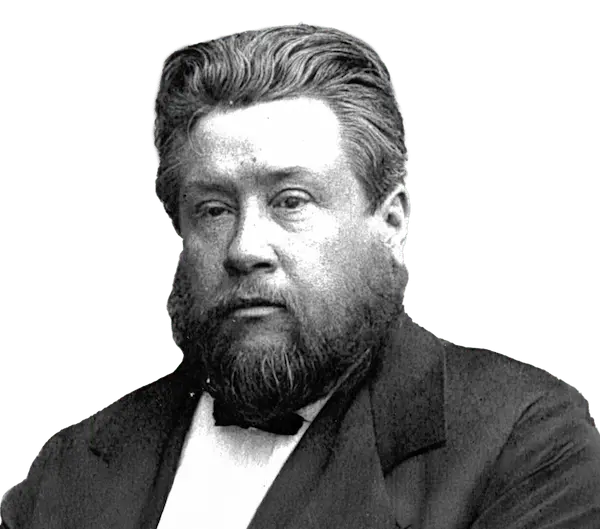
Charles Spurgeon Commentary
Judges 8
"And the men of Ephraim said unto him, Why hast thou served us thus, that thou calledst us not, when thou wentest to fight with Midian? And they did chide with him sharply." — Judges 8:1 (ASV)
We have some friends, like these men of Ephraim, who do not like being left out of the battle for the Lord. They say, "Why are we not asked for our help? Why are we not allowed to take our share?"
These are very good people; but we have known some of them who have made these inquiries rather late in the day. These Ephraimites knew all about the war, and they might have volunteered to help Gideon, and we would have been glad of the earlier help of some who delayed until the victory was won.
"And he said unto them, What have I now done in comparison with you? Is not the gleaning of the grapes of Ephraim better than the vintage of Abiezer?" — Judges 8:2 (ASV)
And he said unto them, What have I done now in comparison of you? (Judges 8:2).
Gideon answered them very kindly and very wisely. He flattered them, attached great importance to what they had done, and took little credit to himself for his valiant service. In this he showed his self-command and his discretion. When persons chide sharply, it is a pity to chide back; the best way of dealing with them is with a soft answer to turn away their wrath.
"And he said unto them, What have I now done in comparison with you? Is not the gleaning of the grapes of Ephraim better than the vintage of Abiezer? God hath delivered into your hand the princes of Midian, Oreb and Zeeb: and what was I able to do in comparison with you? Then their anger was abated toward him, when he had said that. And Gideon came to the Jordan, [and] passed over, he, and the three hundred men that were with him, faint, yet pursuing. And he said unto the men of Succoth, Give, I pray you, loaves of bread unto the people that follow me; for they are faint, and I am pursuing after Zebah and Zalmunna, the kings of Midian." — Judges 8:2-5 (ASV)
Is not the gleaning of the grapes of Ephraim better than the vintage of Abiezer? God hath delivered into your hands the princes of Midian, Oreb and Zeeb: and what was I able to do in comparison of you? Then their anger was abated toward him, when he had said that. And Gideon came to Jordan, and passed over, he, and the three hundred men that were with him, faint, yet pursuing them. And he said unto the men of Succoth, Give, I pray you, loaves of bread unto the people that follow me; for they be faint, and I am pursuing after Zebah and Zalmunna, kings of Midian.
This was a very natural and a very reasonable request. Gideon did not ask the men of Succoth to come with him, nor even to give a lodging to his soldiers. The fear of Midian was upon Israel, and the people were afraid to do anything against their oppressor, but surely they might have relieved the hunger of their fellow countrymen.
Instead of doing so, they answered Gideon with arrogant and cruel words.
"And the princes of Succoth said, Are the hands of Zebah and Zalmunna now in thy hand, that we should give bread unto thine army?" — Judges 8:6 (ASV)
It was as if to say, "What have you done, after all? There are fifteen thousand men with Zebah and Zalmunna, and there are only three hundred of you. You have not even captured the leaders yet."
They forgot that Gideon's band had slain a hundred and twenty thousand already; they underrated and mocked him, and would not give him the help he asked.
"And Gideon said, Therefore when Jehovah hath delivered Zebah and Zalmunna into my hand, then I will tear your flesh with the thorns of the wilderness and with briers." — Judges 8:7 (ASV)
Some have said that this showed resentment and harshness, but when a man is at war, he is not in the habit of sprinkling his adversaries with rosewater. War is in itself so great an evil that there are many other evils necessarily connected with it. It seems to me that if, when Gideon was trying to deliver his own countrymen, they scoffed at him, and refused him bread for his soldiers in the day of their hunger, they deserved to be punished with great severity.
Jump to: