
Charles Spurgeon Commentary Luke 1
Charles Spurgeon Commentary
Luke 1
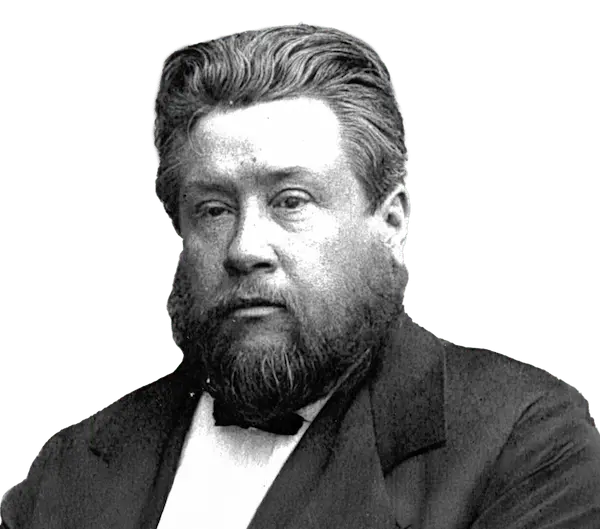
Charles Spurgeon Commentary
Luke 1
"There was in the days of Herod, king of Judaea, a certain priest named Zacharias, of the course of Abijah: and he had a wife of the daughters of Aaron, and her name was Elisabeth. And they were both righteous before God, walking in all the commandments and ordinances of the Lord blameless." — Luke 1:5-6 (ASV)
There was in the days of Herod, the king of Judaea, a certain priest named Zacharias, of the course of Abia: and his wife was of the daughters of Aaron, and her name was Elisabeth. And they were both righteous before God, walking in all the commandments and ordinances of the Lord blameless.
There have been some good people who have lived in very bad times; never was there a worse reign than that of Herod, seldom or never a better man and woman than Zacharias and Elisabeth. Let no one excuse themselves for sinning because of the times in which they live. You may be rich in grace when others around you have none, even as Gideon's fleece was wet with dew when the whole floor was dry. God help us, in these evil days, to be righteous before God, walking in all the commandments and ordinances of the Lord blameless!
"There was in the days of Herod, king of Judaea, a certain priest named Zacharias, of the course of Abijah: and he had a wife of the daughters of Aaron, and her name was Elisabeth. And they were both righteous before God, walking in all the commandments and ordinances of the Lord blameless." — Luke 1:5-6 (ASV)
There was in the days of Herod, the king of Judaea, a certain priest named Zacharias, of the course of Abia: and his wife was of the daughters of Aaron, and her name was Elisabeth. And they were both righteous before God, walking in all the commandments and ordinances of the Lord blameless.
Here you have a very interesting couple, Zacharias and Elisabeth, a priest with a wife. I have often marveled why the Church of Rome should think it wrong for priests to be married, when it is evident that the priests under the Law were so.
The priests had grown so numerous that there was not room for them all to work at the Temple at one time; they were divided into twenty-four courses, and Zacharias would, therefore, come up to Jerusalem for two weeks to take his share of the service.
Zacharias and Elisabeth were notable for excellence of character: They were both righteous before God. Not only did they stand high in the esteem of men, but the great God, who reads the hearts of all and sees how they live in secret, reckoned them to be righteous: They were both righteous before God, walking in all the commandments—that is, in the moral precepts of the Law—and ordinances—that is, in the ceremonial rites—of the Lord blameless.
"And they had no child, because that Elisabeth was barren, and they both were [now] well stricken in years." — Luke 1:7 (ASV)
And they had no child, because that Elisabeth was barren, and they both were now well stricken in years.
We do not, today, understand the anguish which filled the heart of an Eastern woman who had no child. It was considered a disgrace, and many suffered very bitterly on that account, as did Hannah, Rachel, and others.
"And they had no child, because that Elisabeth was barren, and they both were [now] well stricken in years. Now it came to pass, while he executed the priest`s office before God in the order of his course, according to the custom of the priest`s office, his lot was to enter into the temple of the Lord and burn incense." — Luke 1:7-9 (ASV)
And they had no child, because that Elisabeth was barren, and they both were now well stricken in years. And it came to pass, that while he executed the priest's office before God in the order of his course, according to the custom of the priest's office, his lot was to burn incense when he went into the temple of the Lord,
Certain offices of the priest were considered to be more honourable than others; and so, to prevent any jealousy, they cast lots as to which they should take in turn. It fell to the lot of Zacharias to burn incense; this did not happen by chance. The lot is cast into the lap; but the whole disposing thereof is of the Lord; and there was a special reason why this good man should stand at the altar at this particular time.
"Now it came to pass, while he executed the priest`s office before God in the order of his course, according to the custom of the priest`s office, his lot was to enter into the temple of the Lord and burn incense. And the whole multitude of the people were praying without at the hour of incense. And there appeared unto him an angel of the Lord standing on the right side of altar of incense. And Zacharias was troubled when he saw [him], and fear fell upon him." — Luke 1:8-12 (ASV)
And it came to pass, that while he executed the priest's office before God in the order of his course, according to the custom of the priest's office, his lot was to burn incense when he went into the temple of the Lord. And the whole multitude of the people were praying without at the time of incense. And there appeared unto him an angel of the Lord standing on the right side of the altar of incense. And when Zacharias saw him, he was troubled, and fear fell upon him. (Luke 1:8–12)
Zacharias must have been astonished as he saw that strange visitant; no wonder that fear fell upon him.
Jump to: