
Charles Spurgeon Commentary Luke 13
Charles Spurgeon Commentary
Luke 13
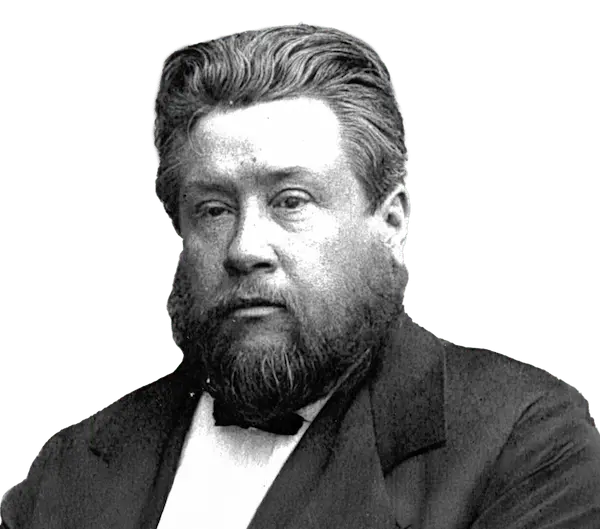
Charles Spurgeon Commentary
Luke 13
"Now there were some present at that very season who told him of the Galilaeans, whose blood Pilate had mingled with their sacrifices." — Luke 13:1 (ASV)
This was a matter of common town talk, so of course they brought the news to Jesus. Notice how wisely he used this shameful incident. You and I too often hear the news of what is happening, but we learn nothing from it; our Saviour's gracious mind turned everything to good account; he was like the bee that gathers honey from every flower.
"And he answered and said unto them, Think ye that these Galilaeans were sinners above all the Galilaeans, because they have suffered these things?" — Luke 13:2 (ASV)
"Do you imagine that there was some extraordinary guilt which brought this judgment upon them, and that those who were spared may be supposed to have been more innocent than they were?"
"I tell you, Nay: but, except ye repent, ye shall all in like manner perish." — Luke 13:3 (ASV)
There would come upon them also, because of their sin, a sudden and overwhelming calamity. When we read of the most dreadful things happening to you, we may conclude that something similar will happen to us if we are impenitent; if not in this world, yet in that which is to come.
"Or those eighteen, upon whom the tower in Siloam fell, and killed them, think ye that they were offenders above all the men that dwell in Jerusalem? I tell you, Nay: but, except ye repent, ye shall all likewise perish." — Luke 13:4-5 (ASV)
This was a foreshadowing of the overthrow of Jerusalem, and the razing of its walls and towers to the ground, which happened not long after; and even that overthrow of Jerusalem was but a rehearsal of the tremendous doom that shall come upon all who remain impenitent.
"And he spake this parable; A certain man had a fig tree planted in his vineyard; and he came seeking fruit thereon, and found none." — Luke 13:6 (ASV)
He spake also this parable; A certain man had a fig tree planted in his vineyard; and he came and sought fruit thereon, and found none.
He had a right to seek fruit on the tree, for it was planted where fruit-bearing trees were growing, and where it shared in the general cultivation that was given to all the trees in the vineyard.
Jump to: