
Charles Spurgeon Commentary Luke 13:7
Charles Spurgeon Commentary
Luke 13:7
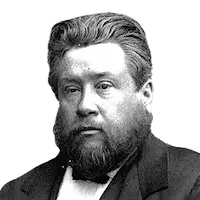
Charles Spurgeon Commentary
Luke 13:7
SCRIPTURE
"And he said unto the vinedresser, Behold, these three years I come seeking fruit on this fig tree, and find none: cut it down; why doth it also cumber the ground?" — Luke 13:7 (ASV)
Then said he unto the dresser of his vineyard, Behold, these three years I come seeking fruit on this fig tree, and find none: cut it down; why cumbereth it the ground?
The owner seems to say, "If I had not found fruit the first year, I should have thought that the season was unfavorable; if I had found no fruit the second year, I might have thought that perhaps the tree was a little out of condition and would recover; but when I come for three years, and three years consecutively I find no fruit, then it is clear that the fig tree is a barren one. Why should it stay here, spoil the soil, occupy the place that a good fig tree might have occupied, and take away nourishment from other trees?"
So, if after many years some of you have produced no fruit, God may well complain about you. You are eating the bread that might have nourished a saint. You are occupying a place where your influence is harmful to others.
Others do less because you do nothing. I pray the Holy Spirit to bring this home to the conscience of any barren professor whom it may concern, lest the command should go forth, Cut it down; why cumbereth it the ground?
Then he said unto the dresser of the vineyard, Behold, these three years I come seeking fruit on this fig tree, and find none: cut it down; why cumbereth it the ground?
This was sound reasoning. "It yields nothing, though it draws the goodness out of the ground, and so injures those trees that are producing fruit; cut it down; why cumbereth it the ground?"