
Charles Spurgeon Commentary Luke 20
Charles Spurgeon Commentary
Luke 20
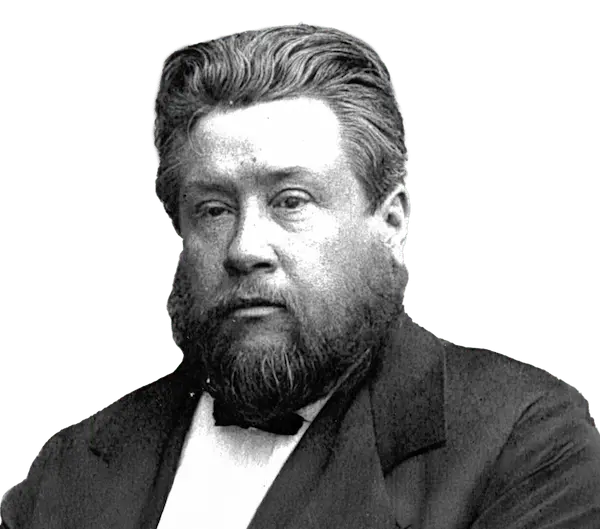
Charles Spurgeon Commentary
Luke 20
"And he began to speak unto the people this parable: A man planted a vineyard, and let it out to husbandmen, and went into another country for a long time." — Luke 20:9 (ASV)
It is a long time since Jesus left us, and he has not yet returned.
Many say that he is coming back very soon; others say, "The Lord delayeth his coming."
"And at the season he sent unto the husbandmen a servant, that they should give him of the fruit of the vineyard: but the husbandmen beat him, and sent him away empty. And he sent yet another servant: and him also they beat, and handled him shamefully, and sent him away empty." — Luke 20:10-11 (ASV)
They grow bolder, and more wicked, you see; first beating, and then adding shameful treatment to their former cruelty. Men do not come to ridicule religion, and persecute its advocates, all at once; this is an art which Satan teaches by degrees.
"And he sent yet a third: and him also they wounded, and cast him forth." — Luke 20:12 (ASV)
They are more violent this time; it comes to actual wounding, and to casting out the servant.
"And the lord of the vineyard said, What shall I do? I will send my beloved son; it may be they will reverence him." — Luke 20:13 (ASV)
Then said the lord of the vineyard, What shall I do?
A strange thing happens when the Lord himself comes to the point of saying, What shall I do? Here is infinite wisdom, as it were, at a loss; and in that extremity this is the Lord's final resort: –
"And the lord of the vineyard said, What shall I do? I will send my beloved son; it may be they will reverence him. But when the husbandmen saw him, they reasoned one with another, saying, This is the heir; let us kill him, that the inheritance may be ours. And they cast him forth out of the vineyard, and killed him. What therefore will the lord of the vineyard do unto them?" — Luke 20:13-15 (ASV)
I will send my beloved son: it may be they will reverence him when they see him. But when the husbandmen saw him, they reasoned among themselves, saying, This is the heir: come, let us kill him, that the inheritance may be our's. So they cast him out of the vineyard, and killed him.
You know the story how this beloved Son of the Highest was all love and pity; and yet, with cruel hands, men cast him out of God's ancient vineyard, and crucified him, hoping that they would be allowed to remain lords of God's heritage.
Jump to: