
Charles Spurgeon Commentary Luke 22
Charles Spurgeon Commentary
Luke 22
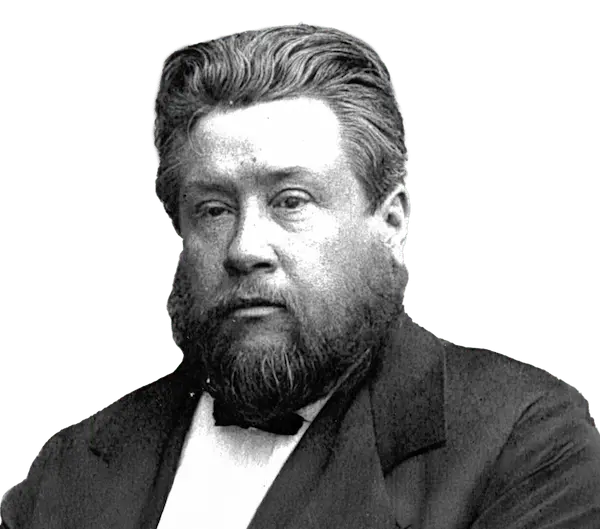
Charles Spurgeon Commentary
Luke 22
Commentary Groups
This author has written multiple commentaries over their lifetime on this chapter. We have grouped their commentaries for easier reading."Now the feast of unleavened bread drew nigh, which is called the Passover. And the chief priests and the scribes sought how they might put him to death; for they feared the people." — Luke 22:1-2 (ASV)
Base fear often drives people to the greatest crimes. Anyone who is not brave enough to master their own spirit, and to follow the dictates of their own conscience, may do, before long, what they can scarcely imagine. Because of the fear of the people, the chief priests and scribes were driven to plot the death of Christ by cunning, and to bring him to his death by the cruel betrayal of Judas, one of his own apostles.
"And Satan entered into Judas who was called Iscariot, being of the number of the twelve. And he went away, and communed with the chief priests and captains, how he might deliver him unto them. And they were glad, and covenanted to give him money. And he consented, and sought opportunity to deliver him unto them in the absence of the multitude." — Luke 22:3-6 (ASV)
Was it not a sad thing that the betrayer of Christ should be one of the twelve? Yet deeply trying as it must have been to the heart of Christ, there is something useful about even that horrible transaction. It says to all the professing Church of Christ, and it says to us who claim to be Christ's followers, "Do not think yourselves safe because you are in the visible church; do not imagine that even holding the highest office in the church can prevent you from committing the basest crime. No, for here is one of the twelve apostles, yet he betrays his Master. Sometimes, we have found this betrayal to be a source of comfort.
I have myself desired, in receiving members into the church, to be very careful, if possible, only to receive good and true men. Yet, though pastors and elders of the church may exercise the strictest watch, some of the worst of men will manage to get in. When that is the case, we say to ourselves, "No new thing has happened to us, for such a sinner as this marred the Church from the very beginning."
Here is Judas, when Christ himself is the Pastor, when the twelve apostles make up the main body of the Church, here is Judas, one of the twelve, ready to betray his Master for the paltry bribe of thirty pieces of silver, just the price of a slave. Yes, we might have been disheartened in building up the Church of God if it had not been for this sad but truthful narrative concerning Judas and his betrayal of our Lord.
"And the day of unleavened bread came, on which the passover must be sacrificed. And he sent Peter and John, saying, Go and make ready for us the passover, that we may eat. And they said unto him, Where wilt thou that we make ready? And he said unto them, Behold, when ye are entered into the city, there shall meet you a man bearing a pitcher of water; follow him into the house whereinto he goeth. And ye shall say unto the master of the house, The Teacher saith unto thee, Where is the guestchamber, where I shall eat the passover with my disciples? And he will show you a large upper room furnished: there make ready. And they went, and found as he had said unto them: and they made ready the passover. And when the hour was come, he sat down, and the apostles with him. And he said unto them, With desire I have desired to eat this passover with you before I suffer: for I say unto you, I shall not eat it, until it be fulfilled in the kingdom of God. And he received a cup, and when he had given thanks, he said, Take this, and divide it among yourselves: for I say unto you, I shall not drink from henceforth of the fruit of the vine, until the kingdom of God shall come. And he took bread, and when he had given thanks, he brake it, and gave to them, saying, This is my body which is given for you: this do in remembrance of me. And the cup in like manner after supper, saying, This cup is the new covenant in my blood, [even] that which is poured out for you." — Luke 22:7-20 (ASV)
Then came the day of unleavened bread, when the Passover must be killed. And He sent Peter and John, saying, "Go and prepare the Passover for us, so that we may eat." And they said to Him, "Where do You want us to prepare?" And He said to them, "Behold, when you have entered the city, a man will meet you carrying a pitcher of water; follow him into the house where he enters in.
And you shall say to the good man of the house, 'The Master says to you, "Where is the guest room, where I shall eat the Passover with My disciples?"' And he will show you a large upper room furnished; there make ready." And they went and found it as He had said to them; and they made the Passover ready. And when the hour had come, He sat down, and the twelve apostles with Him.
And He said to them, "With desire I have desired to eat this Passover with you before I suffer. For I say to you, I will not eat of it again until it is fulfilled in the Kingdom of God." And He took the cup, and gave thanks, and said, "Take this and divide it among yourselves; for I say to you, I will not drink of the fruit of the vine until the Kingdom of God comes." And He took bread, and gave thanks, and broke it, and gave to them, saying, "This is My body which is given for you; do this in remembrance of Me."
Likewise also the cup after supper, saying, "This cup is the new testament— (Or, covenant—)
"And the day of unleavened bread came, on which the passover must be sacrificed. And he sent Peter and John, saying, Go and make ready for us the passover, that we may eat." — Luke 22:7-8 (ASV)
Then came the day of unleavened bread, when the passover must be killed. And he sent Peter and John, saying, Go and prepare us the passover, that we may eat.
Notice how carefully our Lord respected the ordinances of that dispensation as long as it lasted. The passover was an essential rite of the Jewish faith, and our Lord therefore duly observed it. Learn from this, dear brothers and sisters, to esteem very highly the ordinances of God's house; let baptism and the Lord's supper keep their proper places.
You do them serious injury if you lift them out of their right places, and try to make saving ordinances of them; but, in avoiding that evil, do not fall into the opposite error of neglecting them. What Christ has ordained, it is for his people to maintain with care until he comes again; and if he kept up the passover even when, in himself, it was already on the point of being fulfilled, let us keep up the ordinances which he has instructed us. If any of you have neglected either of them, let me remind you of his gracious words, Thus it becometh us to fulfill all righteousness, and This do ye, in remembrance of me.
"And the day of unleavened bread came, on which the passover must be sacrificed. And he sent Peter and John, saying, Go and make ready for us the passover, that we may eat. And they said unto him, Where wilt thou that we make ready? And he said unto them, Behold, when ye are entered into the city, there shall meet you a man bearing a pitcher of water; follow him into the house whereinto he goeth. And ye shall say unto the master of the house, The Teacher saith unto thee, Where is the guestchamber, where I shall eat the passover with my disciples? And he will show you a large upper room furnished: there make ready. And they went, and found as he had said unto them: and they made ready the passover." — Luke 22:7-13 (ASV)
Then came the day of unleavened bread, when the passover must be killed. And he sent Peter and John, saying, Go and prepare us the passover, that we may eat. And they said to him, Where will you that we prepare? And he said to them, Behold, when you have entered into the city, a man shall meet you, bearing a pitcher of water; follow him into the house where he enters in.
And you shall say to the good-man of the house, the Master says to you, Where is the guest-chamber, where I shall eat the passover with my disciples? And he shall show you a large upper room furnished: there make ready. And they went, and found as he had said to them: and they made ready the passover.
The hour of Christ's humiliation was drawing near, but he was still "The Master." He had only to send his servants, and his request was at once obeyed, just as he might have asked for more than twelve legions of angels and they would have been immediately placed at his disposal.
Jump to: