
Charles Spurgeon Commentary Luke 7
Charles Spurgeon Commentary
Luke 7
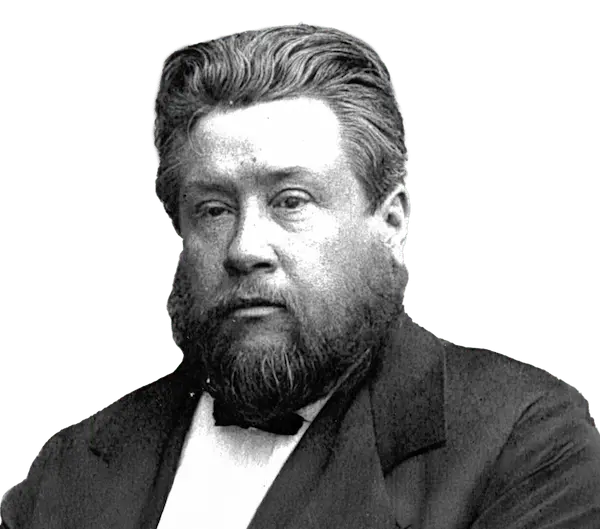
Charles Spurgeon Commentary
Luke 7
"And the disciples of John told him of all these things." — Luke 7:18 (ASV)
John was in prison, and, possibly, troubled in spirit.
"And John calling unto him two of his disciples sent them to the Lord, saying, Art thou he that cometh, or look we for another?" — Luke 7:19 (ASV)
Did John doubt, then? Perhaps not. It may be that he saw that his disciples doubted, and that he wished their fears to be removed. It is possible, however, that he did himself have doubts.
It is no unusual thing for the bravest hearts to be subject to fits of doubt. Elijah, you remember, sat under a juniper tree in the wilderness, and he requested for himself that he might die, though he was the man who never was to die. And John, – the Elijah of the Christian dispensation, though a man of iron, was but a man, so he sent two of his disciples to Jesus, saying, Art thou he that should come, or look we for another?
"And when the men were come unto him, they said, John the Baptist hath sent us unto thee, saying, Art thou he that cometh, or look we for another? In that hour he cured many of diseases and plagues and evil spirits; and on many that were blind he bestowed sight. And he answered and said unto them, Go and tell John the things which ye have seen and heard; the blind receive their sight, the lame walk, the lepers are cleansed, and the deaf hear, the dead are raised up, the poor have good tidings preached to them." — Luke 7:20-22 (ASV)
When the men were come unto him, they said, John Baptist hath sent us unto thee, saying, Art thou he that should come, or look we for another? And in that same hour he cured many of their infirmities and plagues, and of evil spirits; and unto many that were blind he gave sight. Then Jesus answering said unto them, Go your way, and tell John what things ye have seen and heard;
Our old proverb says that actions speak louder than words, so an answer in his actions would be more eloquent with these inquirers than even an answer in our Lord's own words. He told them to look at the evidences of his Messiahship which he gave them by his miraculous cures, and then he said to them, Go your way, and tell John what things ye have seen and heard. It would be well if our lives were such that, if anyone inquired what we were, we should only have to say that they might judge us by what they had seen and heard in our common everyday life and conversation.
"And he answered and said unto them, Go and tell John the things which ye have seen and heard; the blind receive their sight, the lame walk, the lepers are cleansed, and the deaf hear, the dead are raised up, the poor have good tidings preached to them. And blessed is he, whosoever shall find no occasion of stumbling in me." — Luke 7:22-23 (ASV)
How that the blind see, the lame walk, the lepers are cleansed, the deaf hear, the dead are raised, to the poor the gospel is preached. And blessed is he, whoever shall not be offended in me.
According to our Lord's testimony, the preaching of the gospel to the poor is as great a proof of his Messiahship as the raising of the dead. Then how highly it ought to be prized by them, and how glad should they be who have the gospel now preached freely in their hearing!
"And when the messengers of John were departed, he began to say unto the multitudes concerning John, What went ye out into the wilderness to behold? a reed shaken with the wind?" — Luke 7:24 (ASV)
And when the messengers of John were departed, he began to speak unto the people concerning John, What went ye out into the wilderness for to see? A reed shaken with the wind?
The wind on the banks of the Jordan, where there are plenty of reeds growing; – did you see a man who would bow before every breath of popular favor or popular wrath? Was John the Baptist such a man as that? No, certainly not.
Jump to: