
Charles Spurgeon Commentary Mark 14
Charles Spurgeon Commentary
Mark 14
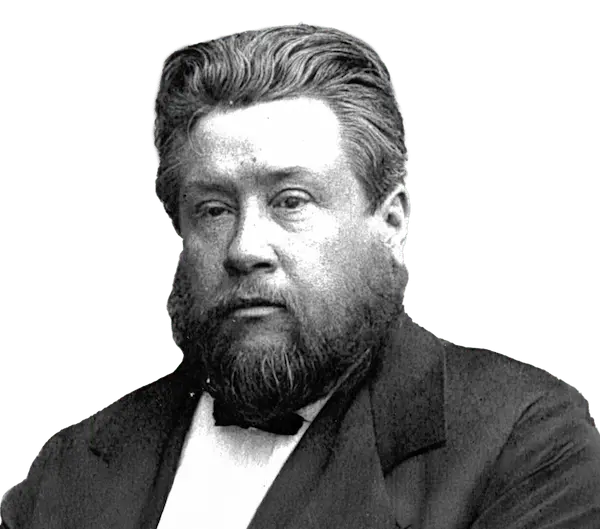
Charles Spurgeon Commentary
Mark 14
"Now after two days was [the feast of] the passover and the unleavened bread: and the chief priests and the scribes sought how they might take him with subtlety, and kill him: for they said, Not during the feast, lest haply there shall be a tumult of the people. And while he was in Bethany in the house of Simon the leper, as he sat at meat, there came a woman having an alabaster cruse of ointment of pure nard very costly; [and] she brake the cruse, and poured it over his head." — Mark 14:1-3 (ASV)
After two days was the feast of the passover, and of unleavened bread: and the chief priests and the scribes sought how they might take him by craft, and put him to death. But they said, Not on the feast day, lest there be an uproar of the people. And being in Bethany in the house of Simon the leper,
A well-known person. There were plenty of Simons, and so they had to put another name to distinguish him. You remember Simon the Pharisee, in whose house Christ was anointed by a woman, who washed his feet with tears. This is another Simon. Not Simon the Pharisee, but Simon the Leper.
A healed man, no doubt, or he could not have entertained guests.
There can be no question by whom he was healed; for there was nobody else that could heal leprosy, except our Divine Lord. And being at Bethany in the house of Simon the Leper.
"And while he was in Bethany in the house of Simon the leper, as he sat at meat, there came a woman having an alabaster cruse of ointment of pure nard very costly; [and] she brake the cruse, and poured it over his head." — Mark 14:3 (ASV)
As he sat at meat, there came a woman having an alabaster box of ointment of spikenard very precious; and she brake the box, and poured it on his head.
It does not withhold any it, poured on his head. The liquid nard flowed over his locks, and, as it was with Aaron, it went, doubtless, down his beard to the utmost skirts of his garments.
"But there were some that had indignation among themselves, [saying], To what purpose hath this waste of the ointment been made?" — Mark 14:4 (ASV)
Matthew says that they were disciples. Shame upon them. The ointment was put to its proper use. It was more wasted when it was in the box than when it was out of it, for it was doing nothing inside the alabaster box. But when it came out, it was answering its purpose. It was perfuming all around. Why was this waste of the ointment made? When lives are lost in Christ's honour, or strength is spent in his service, there is no waste. It is what life and strength are made for – that they may be spent for him.
"For this ointment might have been sold for above three hundred shillings, and given to the poor. And they murmured against her. But Jesus said, Let her alone; why trouble ye her? she hath wrought a good work on me." — Mark 14:5-6 (ASV)
Or "in me."
"For ye have the poor always with you, and whensoever ye will ye can do them good: but me ye have not always." — Mark 14:7 (ASV)
For you have the poor with you always,
If you help them one day, they are poor, and they need help the next. Or if you help them and they depart, departing because they go home to God, other poor people are sure to come, for they will never cease out of the land. For you have the poor with you always.
And whensoever ye will ye may do them good: but me ye have not always.
"You can only do this for me during the few days that I will be with you.
Within a week I will be crucified. Forty more days I will be gone from you. Me you have not always."
Jump to: