
Charles Spurgeon Commentary Matthew 11:4-5
Charles Spurgeon Commentary
Matthew 11:4-5
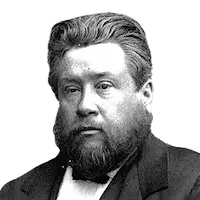
Charles Spurgeon Commentary
Matthew 11:4-5
SCRIPTURE
"And Jesus answered and said unto them, Go and tell John the things which ye hear and see: the blind receive their sight, and the lame walk, the lepers are cleansed, and the deaf hear, and the dead are raised up, and the poor have good tidings preached to them." — Matthew 11:4-5 (ASV)
Our Lord makes no assertion, but sets clear evidence before the eyes of John’s delegates. He based the evidence of his Messiahship on His miracles. Why is it that, in these days, it is said that miracles are rather a trial of faith than a support of it? An unbelieving generation turns even food into poison. What John had heard in prison, his messengers were to see for themselves and then tell their imprisoned master. Prison walls cannot shut out news of Jesus, but good news comes best through friends who are personal witnesses.
The messengers received command, Go and shew John again those things which ye do hear and see. Of hearing and seeing, they had more than they could fully report and more than enough to make them see for themselves that Jesus was the Christ. The cures performed were all beneficent, superhuman, and of a kind foretold by the prophets as signaling the coming of the Messiah.
The proof was cumulative. The argument increased in power. The last two proofs are evidently placed as the climax of the argument: The dead are raised up, and the poor have the Gospel preached to them. These two wonders are placed side by side. There is as much of the miraculous in the poor man’s Gospel as in the dead man’s resurrection.
John’s disciples had come at a right time, when our Lord’s work was in full swing and all these wonderful works were following each other rapidly. Jesus is His own proof. If people desire arguments for the Gospel, let them hear and see what it is and what it does. Let us tell souls in the prison of doubt what we have seen Jesus do.