
Charles Spurgeon Commentary Matthew 12:43
Charles Spurgeon Commentary
Matthew 12:43
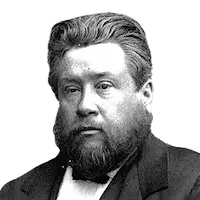
Charles Spurgeon Commentary
Matthew 12:43
SCRIPTURE
"But the unclean spirit, when he is gone out of the man, passeth through waterless places, seeking rest, and findeth it not." — Matthew 12:43 (ASV)
Well is the devil named “the unclean spirit.” He loves what is foul and makes the man in whom he dwells filthy in heart. In the incident described above, the devil has been in possession “of a man” and he “is gone out” for purposes of his own. He has left the man of his own accord, without conflict of any kind. This is a case that frequently occurs.
The devil does, in this way, leave the madly immoral to become decent and orderly. The crafty spirit takes the key of the house with him, for he means to return. He has left occupancy, but has not given up ownership. He has gone out so that he might not be turned out. Who can understand the subtlety of the old serpent?
The evil spirit is, however, uneasy when he is not ruling a human mind. He wanders seeking rest and finding none. He finds nothing to cheer him on this earth, or in heaven, or in hell. These are all dry places to him. Within the sinful heart he was at home and found some little content, but outside in nature, he finds a desert for his unclean desires.
“Every prospect pleases
And only man is vile!”
And hence only man affords a suitable lodging for the vile spirit.
He walketh through dry places, seeking rest, and findeth none.
The devil was in the Jews long ago, but he went out of them at the time of the Babylonian captivity; that heavy punishment cured them of idolatry. But the devil could never find a resting-place, in Gentile hearts, so pleasant to himself as among God's own people.
When the unclean spirit is gone out of a man, —
Mark, not when he is turned out of him by superior force, but when he has gone out of his own accord.