
Charles Spurgeon Commentary Matthew 13
Charles Spurgeon Commentary
Matthew 13
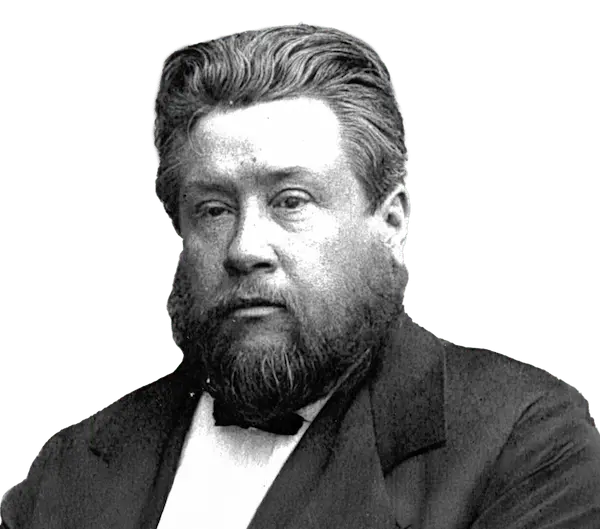
Charles Spurgeon Commentary
Matthew 13
Commentary Groups
This author has written multiple commentaries over their lifetime on this chapter. We have grouped their commentaries for easier reading."On that day went Jesus out of the house, and sat by the sea side. And there were gathered unto him great multitudes, so that he entered into a boat, and sat; and all the multitude stood on the beach." — Matthew 13:1-2 (ASV)
The same day went Jesus out of the house, and sat by the sea side. And great multitudes were gathered together unto him, so that he went into a ship, and sat, and the whole multitude stood on the shore.
He had thus a little breathing space between him and the people – a better opportunity for his being both heard and seen. A noble instance of open-air preaching. And if our climate would permit, what a blessing it would be if we could turn out of these houses and sit in a boat or stand on the sea-shore.
"On that day went Jesus out of the house, and sat by the sea side. And there were gathered unto him great multitudes, so that he entered into a boat, and sat; and all the multitude stood on the beach." — Matthew 13:1-2 (ASV)
The same day went Jesus out of the house, and sat by the sea side. And great multitudes were gathered together unto him, so that he went into a ship, and sat; and the whole multitude stood on the shore.
I think I can see the little ship at a convenient distance from the shore, so as to keep off the multitudes of people, so that the Savior might speak more freely; there he sits with a boat for a pulpit. There were no conventionalities about the Lord Jesus when he was on earth; he was willing to speak to the people anywhere from any pulpit whatsoever.
"And he spake to them many things in parables, saying, Behold, the sower went forth to sow;" — Matthew 13:3 (ASV)
And he spake many things unto them in parables, saying, Behold, a sower went forth to sow; (Matthew 13:3)
It was probably at that season of the year when the sowers were going out to sow their seed, so Jesus pointed to them as a living text. He was always wide-awake to make use of everything that occurred around him. A sower went forth to sow. For what else should he go out? Yet some sowers that I know of do not go out to sow, but to exhibit themselves, and to show how well they can do their work. This man aimed at sowing and nothing else. Oh, that all preachers did the same!
"On that day went Jesus out of the house, and sat by the sea side." — Matthew 13:1 (ASV)
He was not afraid of being seized by His family, but freely went about. How serene was His behavior. He sat by the sea side. This must have been a great relief to Him. He ceased from the controversy of the house and the street, and came into restful communion with nature. On the beach, in the open air, He gave greater play to His imagination and left the didactic style for the parabolic.
"And there were gathered unto him great multitudes, so that he entered into a boat, and sat; and all the multitude stood on the beach." — Matthew 13:2 (ASV)
Great multitudes longed to hear His teaching and see His miracles. They pressed upon Him so eagerly that there was a danger of His being pushed into the sea, especially because it was not a scattered crowd, but they were gathered together to Him—pressing about His person. The ship became His pulpit, and the small space between it and the shore gave Him breathing-space and enabled more people to hear Him. The shelving beach and the blue sky would make a grand auditorium, with room for “the whole multitude,” a finely comprehensive expression. The teacher sat and the people stood. We would have less sleeping in congregations if this arrangement still prevailed.
Jump to: