
Charles Spurgeon Commentary Matthew 13:11
Charles Spurgeon Commentary
Matthew 13:11
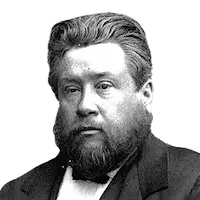
Charles Spurgeon Commentary
Matthew 13:11
SCRIPTURE
"And he answered and said unto them, Unto you it is given to know the mysteries of the kingdom of heaven, but to them it is not given." — Matthew 13:11 (ASV)
The usual reasons for the use of parables would be to make truth clear, to arrest attention, and to impress teaching on the memory. But in this instance, our Lord was, by His parabolic speech, fulfilling the judicial sentence pronounced long before upon the apostate nation among whom He received such unworthy treatment.
They were doomed to have the light and yet remain willfully in the dark. To His own disciples, our Lord would explain the parable, but not to the outside, unbelieving crowd.
If anyone among the multitude became sincerely anxious to know the Lord’s meaning, he would become His disciple, and then he would be taught the mysteries of the kingdom of heaven. However, those who rejected the Messiah would, while listening to parables, hear and not hear, see and not perceive.
To hear the outward word is a common privilege; to know the mysteries is a gift of sovereign grace. Our Lord speaks the truth with much boldness: It is given to you, but to them it is not given.
Solemn words. Humbling truths. Salvation, and the knowledge by which it comes, are given as the Lord wills. There is such a thing as distinguishing grace, after all. Let the moderns revile the doctrine as they will.