
Charles Spurgeon Commentary Matthew 14
Charles Spurgeon Commentary
Matthew 14
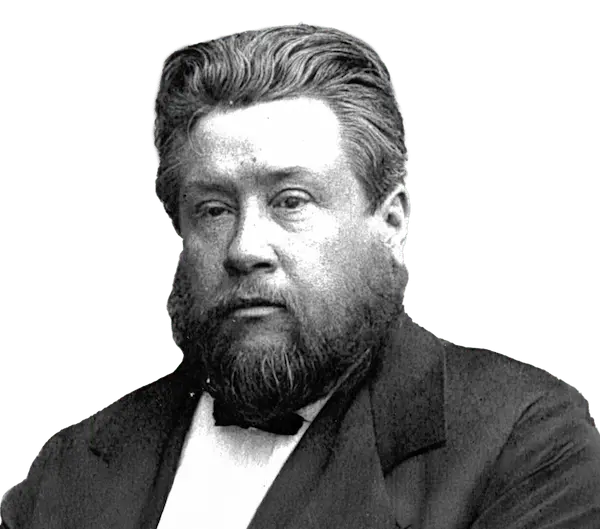
Charles Spurgeon Commentary
Matthew 14
"At that season Herod the tetrarch heard the report concerning Jesus, and said unto his servants, This is John the Baptist; he is risen from the dead; and therefore do these powers work in him." — Matthew 14:1-2 (ASV)
When the whole country was moved, At that time Herod the tetrarch heard of the fame of Jesus, then, but not until then, the fame of Jesus reached this wretched petty prince, who was too absorbed in self and lust to hear much about spiritual matters. The peasant heard of Jesus before the prince. The Word of God may enter the palace, but it forces its way slowly. Herod spoke to his servants about this famous person, for he was so alarmed that he could not conceal his fears. A guilty conscience is haunted by a wrongdoing. John was written on the tyrant’s memory, and now that he is startled by a rumor of wonders being done, he cries out, This is John the Baptist; he is risen from the dead.
Herod was a Sadducee by profession, but his terror made his skeptical creed crumble to dust. For John at least, he believes that there is a resurrection. Great superstition often underlies a surface of avowed unbelief. Herod Antipas had a quarter of his father’s kingdom and less than a quarter of his ability, but in selfish cruelty he was a true cub of the old wolf. He had enough conscience to scare him, though not enough to change him. Note how he believed in the power of a risen man, Therefore mighty works do shew forth themselves in him. If from mere hearsay Herod attributed such power to our Lord on earth, shall we not believe in the Almighty power of our risen Lord upon His throne in glory?
"For Herod had laid hold on John, and bound him, and put him in prison for the sake of Herodias, his brother Philip`s wife. For John said unto him, It is not lawful for thee to have her." — Matthew 14:3-4 (ASV)
Of course, it was not lawful for him to take his brother Philip’s wife for himself while Philip was still living, and while his own wife was also living. While he was Philip's guest at home, he became ensnared by Herodias; this guilty pair, who, besides both being already married and also too closely related by birth for lawful marriage, then returned to Galilee as if they were husband and wife.
It was bravely spoken of the Baptist when he bluntly said, “It is not lawful for thee to have her,” but the sentence cost him dearly. Herod Antipas could bear to do the deed, but he could not bear to be told that he had committed an unlawful act. John did not mince matters or leave the issue alone. What was a king to him if that king dared to trample on the law of God? He spoke out pointedly, and Herod knew that he did so. Herod laid hold of John because John’s word had laid hold of Herod.
The power of evil love is evident in the words, “for Herodias’ sake.” This fierce woman would not tolerate any rebuke of her licentiousness. She was a very Jezebel in her pride and cruelty, and Herod was like a puppet in her hands.
"And when he would have put him to death, he feared the multitude, because they counted him as a prophet." — Matthew 14:5 (ASV)
Neither he nor his illicit lover could bear such direct criticism, and so he would have silenced the rebuking tongue forever if he had not been restrained by a healthy fear of the people. Herod was already a murderer in his heart, but fear restrained his cruel hand. The people highly esteemed John as a servant of God, and the tyrant dared not incur the wrath of the multitude.
What slaves to fear evil rulers can become! It is good that they are, for in this way a temporary restraint is put on their tyranny. Sadly, it is not often a restraint for long, for they soon break free again and, for the sake of a favorite, risk the anger of the nation.
"But when Herod`s birthday came, the daughter of Herodias danced in the midst, and pleased Herod." — Matthew 14:6 (ASV)
There is no harm in keeping birthdays, but great harm lies in lewd dances or in any other activities which suggest evil. Salome was a true “daughter of Herodias.” She forgot her rank and danced before the court in the lascivious fashion of the age, to gratify a probably drunken monarch. She “pleased Herod,” her mother’s paramour, and we can readily guess the kind of dancing which would please him.
In these days, mothers too often encourage their daughters in dress which is hardly decent and introduce them to dances which are not commendable for their purity. No good can come of this; it may please the Herods, but it displeases God. In this case, dancing led to a cruel crime, and it is to be feared that in many instances gross immoralities have arisen from dances which suggested uncleanness.
"Whereupon he promised with an oath to give her whatsoever she should ask." — Matthew 14:7 (ASV)
A foolish promise and a wicked oath. Men of Herod’s kind are always quick to make oaths. Men should understand what they are committing to when they promise and never put their signature to a blank document that another person can fill in, for they might thereby sign away everything they have.
Besides, a mere act of immodest posturing could never deserve such a large reward. Herod was surely as much a fool as a scoundrel. Had wine and lust robbed him of his senses?
Jump to: