
Charles Spurgeon Commentary Matthew 18
Charles Spurgeon Commentary
Matthew 18
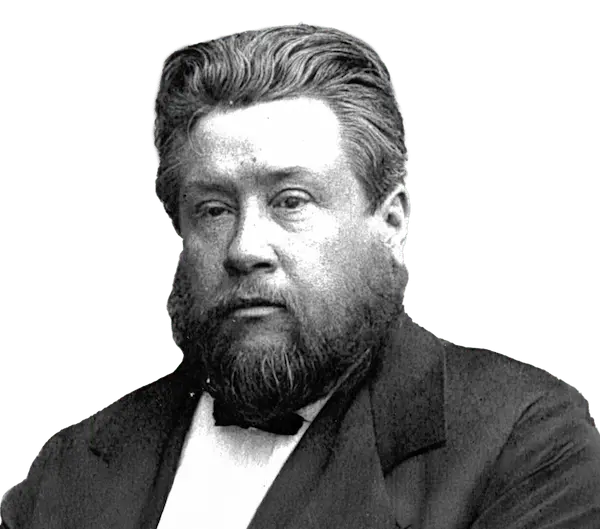
Charles Spurgeon Commentary
Matthew 18
Commentary Groups
This author has written multiple commentaries over their lifetime on this chapter. We have grouped their commentaries for easier reading."In that hour came the disciples unto Jesus, saying, Who then is greatest in the kingdom of heaven?" — Matthew 18:1 (ASV)
The question we have sometimes heard asked in other forms, "Which is the highest office; which form of service will have the greatest honor?" As if we were courtiers and were to take our positions according to precedent.
"And he called to him a little child, and set him in the midst of them," — Matthew 18:2 (ASV)
They all wondered what he was going to do. The little child was no doubt pleased to find itself in such happy company.
"and said, Verily I say unto you, Except ye turn, and become as little children, ye shall in no wise enter into the kingdom of heaven." — Matthew 18:3 (ASV)
And said, Truly I say to you,
"And said, Truly I say to you" – to you, men or women, who think highly of yourselves and want to know who is greatest, implying that each of you thinks you are pretty good as you are.
Unless you are converted, and become like little children, you will not enter into the kingdom of heaven.
Someone said to me this morning, "This is a growing day."
"Ah!" I said, "I hope we will all grow spiritually. Which way?"
He asked, "Smaller or larger?" Let it be smaller, brethren. That will be the surest way of growth, certainly. If we can become much less today, we will be growing. We have grown up, as we call it; let us grow down today and become like little children, or else we will not enter into the kingdom of heaven.
"In that hour came the disciples unto Jesus, saying, Who then is greatest in the kingdom of heaven?" — Matthew 18:1 (ASV)
He spoke of His abasement, they thought of their own advancement, and that “at the same time.” How different at the same moment the Teacher and the disciples! The idea of greatness, and of more or less of it for each one, was interwoven with their notion of a kingdom, even though it might be “the kingdom of heaven.” They came to Jesus, but how could they have the audacity to ask their lowly Lord a question so clearly alien to His thought and spirit? It showed their trustfulness, but also displayed their folly.
"And he called to him a little child, and set him in the midst of them," — Matthew 18:2 (ASV)
He did not answer them with words alone, but made His teaching more impressive by an act. He called a little child unto him. The child came at once, and Jesus set him in the midst of them.
That the child came at His call and was willingly placed where Jesus wished is evidence of a sweetness of manner on our Lord's part. Surely there was a smile on His face when He asked the little one to come to Him, and there must have been a charming gentleness in the manner He placed the child in the center of the twelve as His little model.
Let us see Jesus and the little child, and the twelve apostles grouped around these two central figures. In this way, the whole Church may gather to study Jesus and the childlike character.
Jump to: